
In this post, I suggest that food is inherently cultural, rather than simply nutritional. I will introduce two important commentators whose theories can enhance our understanding of the relationship between food and culture: the anthropologist Claude Lévi-Strauss and the sociologist Pierre Bourdieu. I will very briefly look at the way in which particular foods have become associated with national cultures, and the relationship between taste and class.
Tell me what kind of food you eat, and I will tell you what kind of man you are.
Brillat-Savarin (2019) The Physiology of Taste: 11
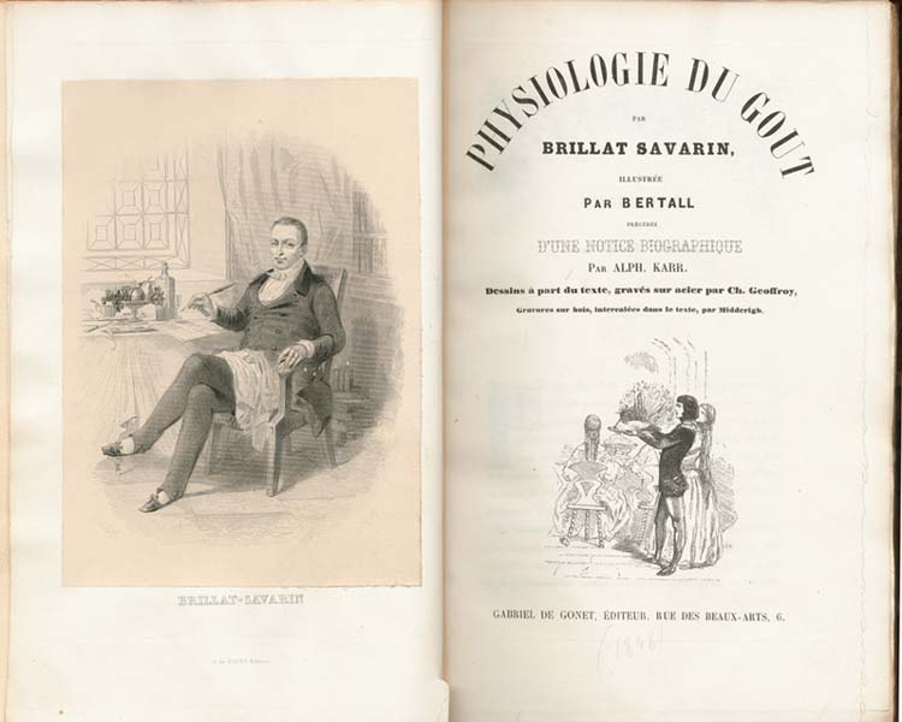
The quote above by the French gastronome and author of The Physiology of Taste indicates that food is not only about nutrition but is also deeply implicated in senses of identity and culture.
It is not only what particular foods people chose to eat but also when, how and who they eat with (or don’t eat with) that are culturally significant. In the words of the journalist and food writer Michael Pollan:
Culture codifies the rules of wise eating in an elaborate structure of taboos, rituals, recipes, and culinary traditions. (Pollan 2011:4)
National Cuisines
Culinary traditions are frequently associated with national cultures – pasta and pizza is associated with Italian cuisine, curries with Indian cuisine and so on.
Philip Harben in his 1958 cookbook Traditional Dishes of Britain suggests:
What is the national dish of Britain? This book is full, of course, of national dishes which are all popular favourites; but what is the national food? The teeming millions of Asia subsist mainly on rice. Macaroni in its various forms is the staple of Italy. Germany and sausages are almost synonymous. When you think of Scotland you think of porridge. What, then is the national dish of Britain? The Roast Beef of Old England? Not a bit of it! The answer is fish and chips. (cited in Panayi, 2008, p. 16-17)
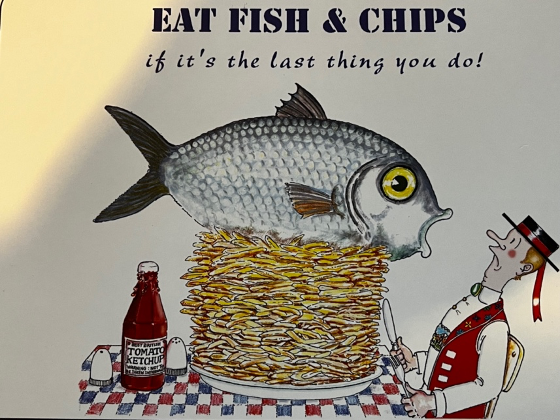
There is a great deal of debate about the origin of fish and chips. Chips are probably a French invention, and fried fish in a batter is quite likely to have originated in the Jewish community. Nobody really knows when the idea of serving battered fish with deep fried potato batons first came about. Many accounts identify Malins in the East End of London, established in 1860, as the oldest fish and chip shop, although Charles Dickens does refer to a ‘fried fish warehouse’ in his novel Oliver Twist (1837).
Pen Vogler (2021:379) indicates that by 1910 there were an estimated 10,000 fish and chip shops in Britain. Fish and chip shops have often been owned by various migrant groups. At the time that Phil Harben wrote his cookbook on traditional British dishes, many fish and chip shops were run by Greek Cypriots. Fish and chips, when it first became popular, was very much associated with the working classes, and was generally disdained by the middle classes, and only gradually became associated with British culture more generally.
It is not the reality of the association of a particular culture with food, but its symbolic association that is important. Robin Cook, who was foreign secretary in the Tony Blair’s government suggested:
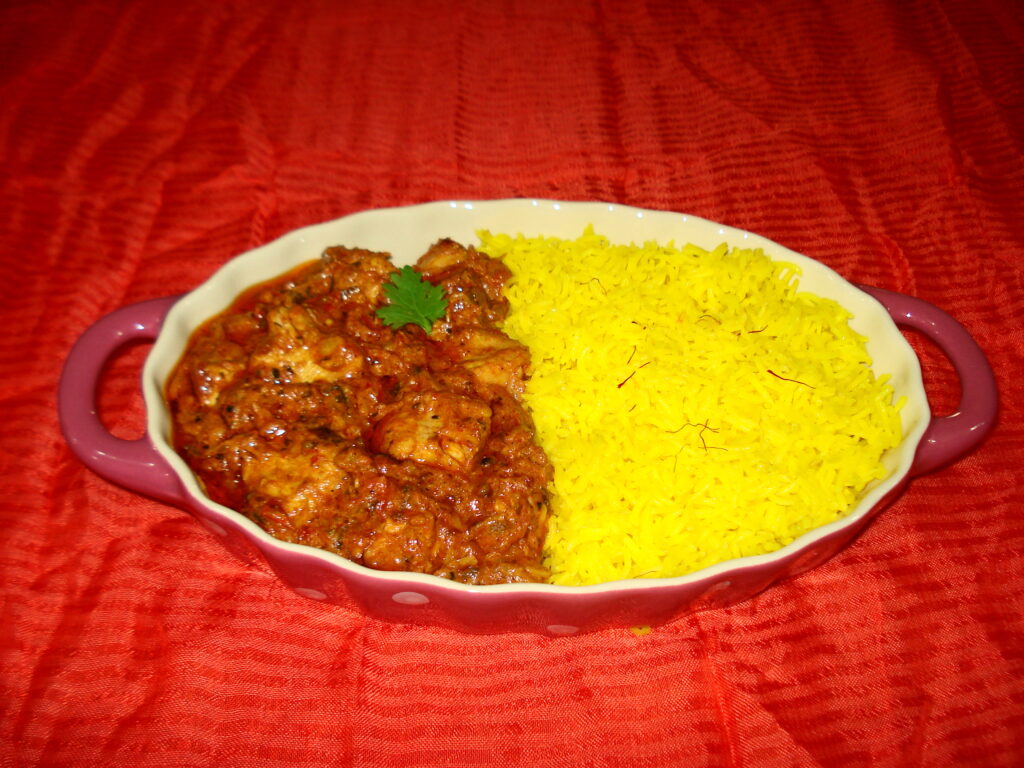
Chicken Tikka Masala is now a true British national dish, not only because it is the most popular, but because it is a perfect illustration of the way Britain absorbs and adapts external influences. Chicken Tikka is an Indian dish. The Masala sauce was added to satisfy the desire of British people to have their meat served in gravy. (The Guardian 19th April 2001).
Robin Cook not only alludes to the apparent fact that chicken tikka masala is one of the most popular restaurant/take away dishes, but also because it represents the multi-cultural and hybrid nature of British Society and is therefore a more relevant culinary signifier of national identity than fish and chips. A great deal of mythology has developed around the dish. Chicken tikka is originally a Punjabi dish.The chicken is marinated with spices and then cooked in a clay oven (a tandoor) and is not served in any type of sauce. The most common story is that a customer in a high street restaurant sent his chicken tikka back to the kitchen complaining that it was too dry. In a moment of inspiration, the chef combined some tomato soup, cream and spices to create a sauce – and thus chicken tikka masala was invented and has since become a staple of virtually all Indian restaurants, although there is no standard recipe.
If this origin story is true, then it is also possible to suggest that chicken tikka masala is not a positive signifier of multicultural Britain but is a sign of culinary colonisation. An authentic Indian dish is appropriated and transformed into a bland hybrid that signifies a power relationship. This suggests that there are some dishes that are authentic and others, like chicken tika masala, are mere culinary fabrications.
There are many restaurants in the UK that claim to offer authentic cuisines. Often these restaurants are regional rather than national. For example, the East Ham restaurant Udaya claims to be ‘a purveyor of Authentic Keralan dining’. Kerala is a state of south-west India that has its own language, culture and cuisine.
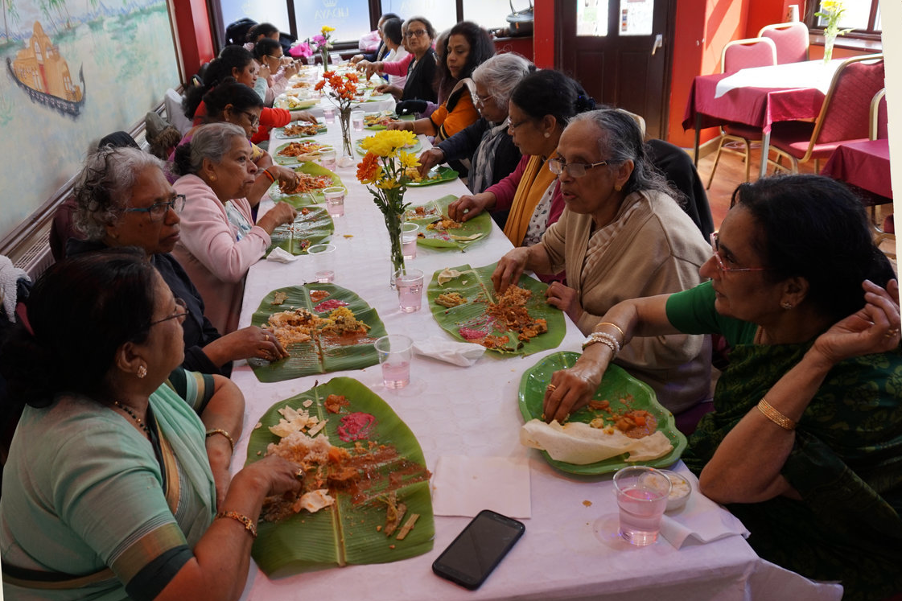
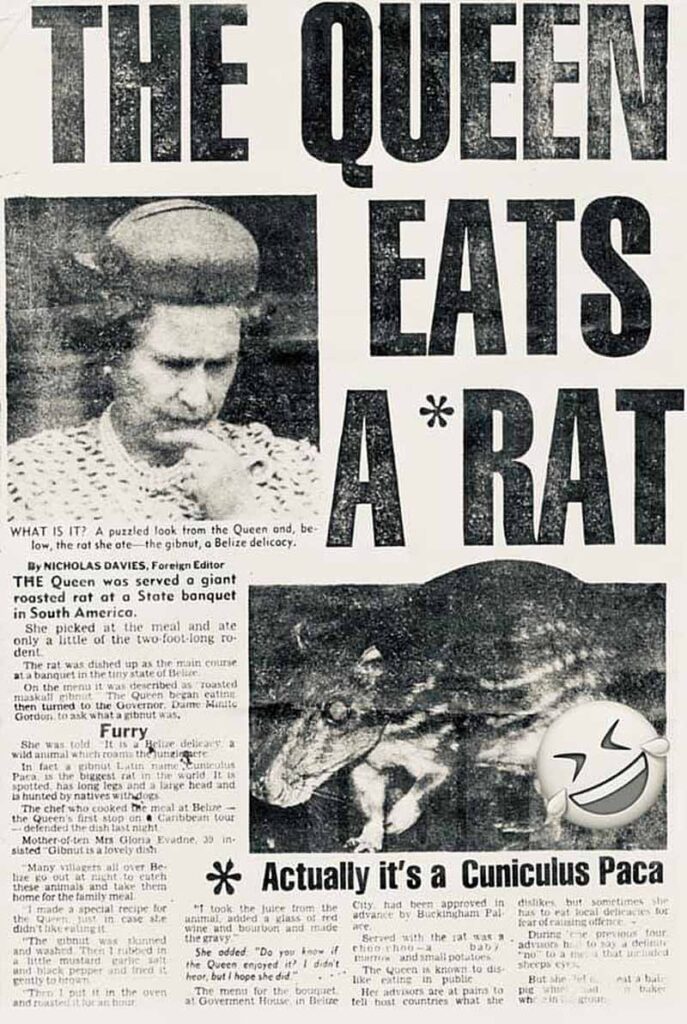
Determining what is an authentic national or regional dish is a vexed issue. Like any other cultural phenomenon there are no clear-cut criteria for determining culinary authenticity. Charles Lindholm in his fascinating study Culture and Authenticity observes that the gibnut – a large rodent – which is stuffed and roasted is often represented in local restaurants as an authentic Belize dish. However, he observes that even the idea of an authentic Belize cuisine is relatively new. The gibnut was, during colonial times, thought of as ‘bush food’ and disdained as lower class. However, with independence in 1981, and an increasing tourist industry it became important to identify a distinctive Belize cuisine.
When Queen Elizabeth II visited the newly independent nation, she was served gibnut. The British tabloid press printed headlines suggesting that the Queen had been served a rat to eat. From then on, many middle class Belizians began to accept the gibnut as central to their national cuisine.
The history of the gibnut in Belizian culinary tradition indicates that the idea of an authentic national cuisine is constructed through discourse, is historically and culturally contingent, and is also linked to relationships of power – such as colonial dominance and class relations.
The Raw and the Cooked
The French anthropologist Claude Lévi-Strauss makes an even stronger point, when he suggests that food not only symbolises particular cultures but indicates culture itself. Culture is often contrasted with nature. Culture, and specifically cooking, differentiates humans from animals. Lévi-Strauss observes that there is no human society which does not cook at least some of its food (1997, p.28).
Food exists in two forms or states – namely raw and cooked. Raw foods are according to Lévi- Strauss unelaborated, whereas cooked foods are elaborated foods. All cultures elaborate raw ingredients, normally through the application of heat, transforming them from something natural to something cultural. Lévi-Strauss points out that food can also rot – and he suggests that rotting is an elaboration by nature, whereas cooking is a cultural elaboration. He thus developed a model that is known as the culinary triangle.
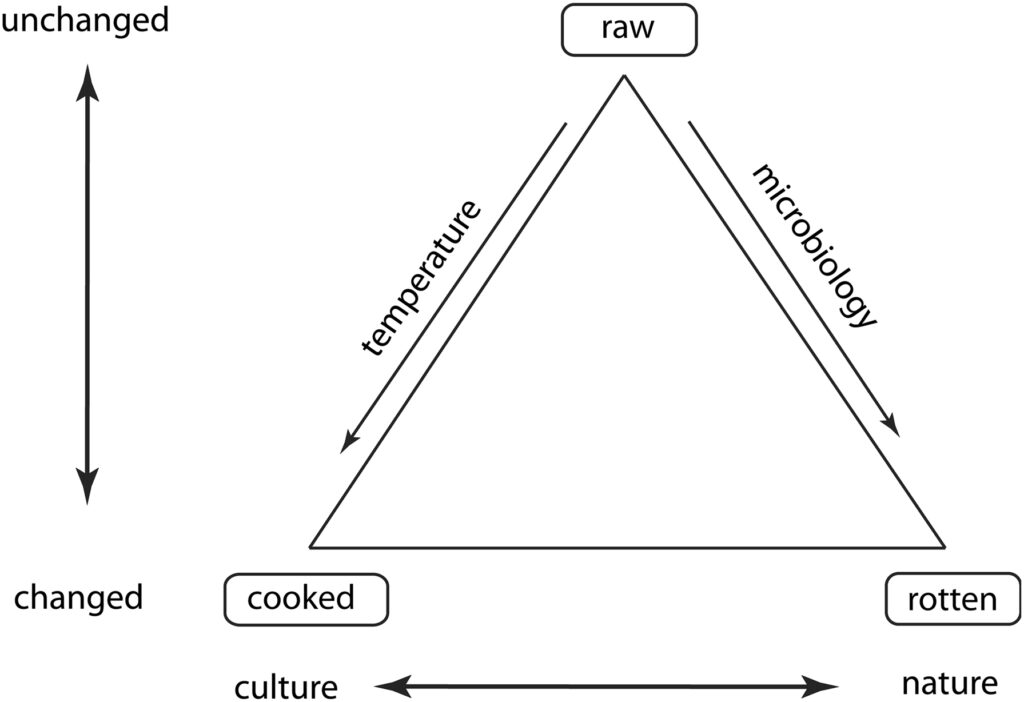
There are a couple of points to clarify here:
1. Cuisines can make use of natural processes, such as using moulds in making cheeses or fermentation in the making
of foods such as kimchi.
2. There are different degrees of elaboration. Lévi-Strauss suggests that the process roasting is less elaborated than
boiling. This is because roasting involves placing raw food directly onto fire, whereas boiling requires a receptacle and
water as an intermediary. This suggests that as cultures develop food becomes increasingly elaborated.
The Taste of Necessity and the Taste of Luxury
The French sociologist Pierre Bourdieu develops on Claude Lévi-Strauss’s idea of elaboration. Food is of course necessary for survival. Bourdieu calls this basic nutritional imperative ‘the taste of necessity’. The taste of necessity refers to foods that are most filling, economic and nutritious. These are the foods that tend to be consumed by people with limited economic means, and therefore have little choice in what they eat. These are basic food items that are minimally elaborated.
On the other hand, the taste of luxury refers to foods that are more extensively elaborated into more sophisticated cuisines. The taste of luxury implies a choice, and interestingly Bourdieu also calls this the taste of freedom. The taste of luxury/freedom tends to focus on presentation and less on the functional and nutritional aspects of food.

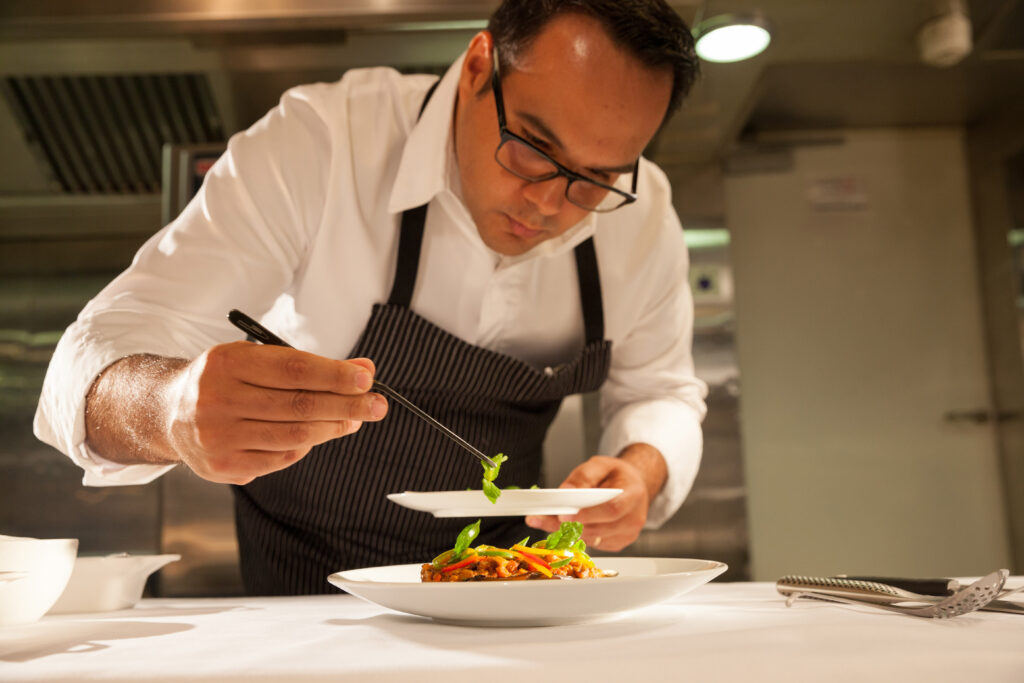
The distinction between the taste of necessity and the taste of luxury also includes the manner of eating. In the taste of luxury eating becomes a more leisurely and elaborate affair. The taste of necessity is characterised in terms of an immediate gratification of appetite, whereas the taste of luxury is equated with restraint.
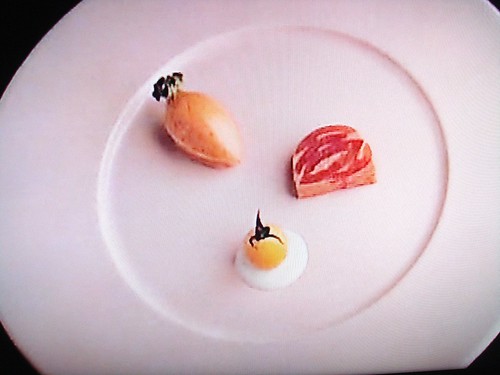
Bourdieu characterises the focus on the taste of luxury as a process of aestheticisation. This aestheticisation of taste reaches its zenith (or possibly nadir) in what is known as nouvelle cuisine, which was a reaction against the classical French cuisine. Nouvelle cuisine is characterised by:
1. An emphasis on presentation and visual appearance of
food.
2. Small portions of food, often artfully arranged on large
plates.
3. Light flavoursome dishes, using the freshest of
ingredients, and reducing cooking times.
Nouvelle cuisine tended to be expensive, the joke was that the smaller the portion served, the more expensive it was. However, it is not just whether you can financially afford to eat in restaurants that served nouvelle cuisine, but that you also had the discernment to make judgements of taste that bestows a certain cultural prestige.
Taste and Class
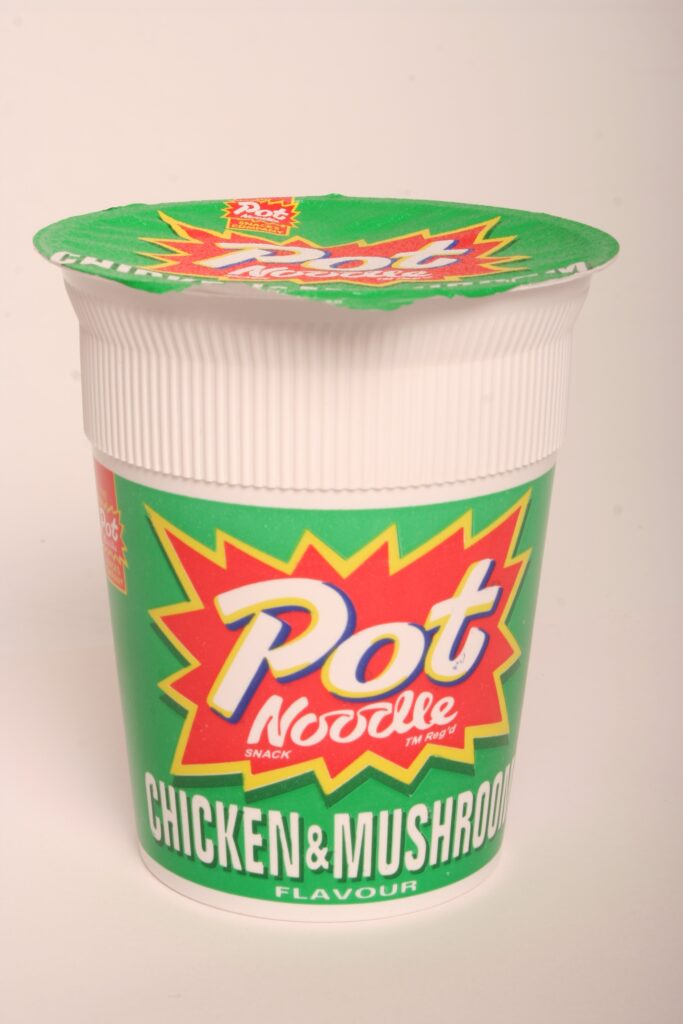
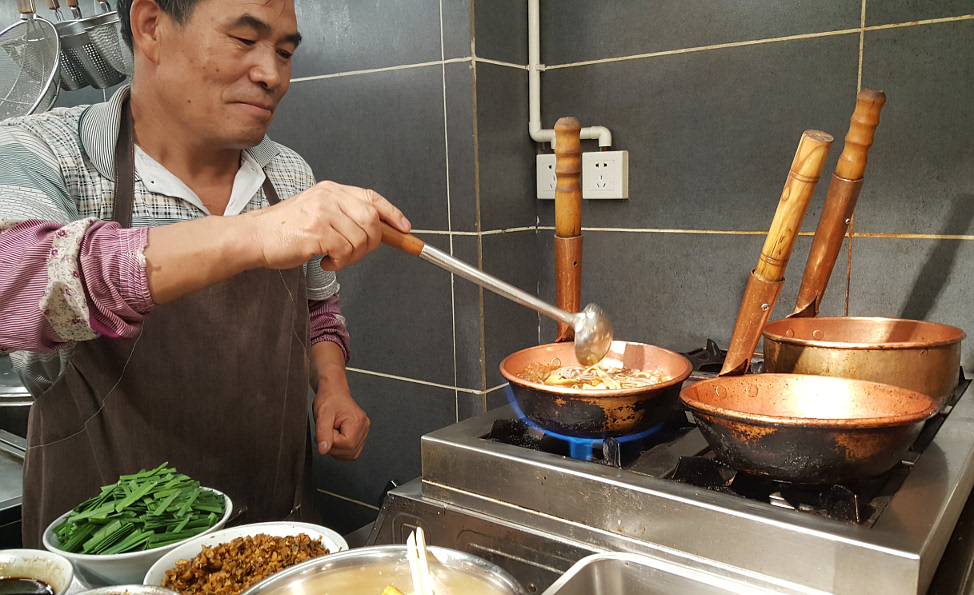
It is significant that the English term ‘taste’ has two connotations. Firstly, of course, taste refers to the sense of flavour imparted by food. However, the term taste also has an evaluative meaning signifying an aesthetic judgement This use of the term suggests that certain cultural choices, including food, are in good taste while other choices are considered to be vulgar or in poor taste. Consequently, particular food choices and protocols of eating are imbued with certain prestige and are indicators of social status. Conversely, people are criticised for not making the correct food choices. So, Pot Noodles are represented as vulgar whilst a bowl of Chinese noodles (Lo Mein) are considered tasteful and authentic, and the choice reflects the cultural and moral standing of the eater.
This evaluation is wonderfully parodied in the short video on the difference between ‘architect’s fish and chips’ and ‘builder’s fish and chips in the 2003 television series Posh Nosh. In this series Richard E. Grant and Arabella Weir play Simon and Minty Marchmont. These characters are loosely based on the 1960s TV chef Fanny Craddock and her husband Jonnie. In this episode, the snobbish Simon and Minty decide to prepare a meal for their builder Barry. They start by deriding regular fish and chips, which they call ‘builder’s fish and chips’, as vulgar. They then go on to prepare their perceived superior variation ‘architect’s fish and chips’ which consists of roasted root vegetables and poached beluga sturgeon artfully arranged on a plate. In this episode taste is clearly articulated in terms of class.
Conclusion
Food and culture are intertwined in numerous complex ways. Even the common held idea that certain types of food are associated with particular national cultures, such as the pasta being identified with Italian culture, is deeply problematic as national cuisines are always influenced by other cuisines. Culinary traditions both unite and divide. We feel we have something in common with those who share our tastes, but distinguishes us from others who make different food choices. Often these distinctions of taste are evaluative.
References
Brilllat-Savarin, J.A. (2019) The Physiology of Taste. Translated by Fayette Robinson. Digireads Publishing.
Lévi-Strauss,C. (1997) ‘ The Culinary Triangle’. in Counihan, C. & Esterick, P. (eds.) Food and Culture: A Reader. London:
Routledge.
Lindholm, C. (2008) Culture and Authenticity. Oxford: Blackwell.
Pollan, M. (2011) The Omnivore’s Dilemma. The Search for a Perfect Meal in a Fast-Food World. London: Bloomsbury.
Vogler, P. (2021) Scoff: A History of Food and Class in Britain. London: Atlantic Books.
Other Useful Sources
Documentaries.
There is an abundance of documentaries and travel shows about food and culture. The two that I have recently watched and found particularly interesting are:
1. High on the Hog (2021) A fascinating short documentary series on how African food influenced US cuisine (Available on
Netflix).
2. Stanley Tucci Searching for Italy. (2021 & 2022). The actor Stanley Tucci discovers the regional cuisines of Italy (2 series
available on BBC Iplayer).
Reading
There are a vast number of books and articles on food and culture, but here are a few suggestions to get you started.
Ashley, B., Hollows, J., Jones, S. and Taylor, B. (2004) Food and Cultural Studies. London: Routledge.
A great introduction to food and culture with chapters on taste, national cuisines, globalisation etc.
Counnihan, C. and Van Esterick, P. (eds.) (1997) Food and Culture: A Reader. London: Routledge.
A collection of essays and extracts that explore the intersections between food and cultural identity. Includes
Claude Lévi-Strauss’s discussion on the ‘culinary triangle’.
Goldstein, D. (ed.) (2010) The Gastronomica Reader. Berkley: University of California Press.
A selection of articles and essays from ‘Gastronomica: The Journal of Food and Culture.’
Korsmeyer, C. (ed.) (2005) The Taste Culture Reader. Oxford: Berg.
A very useful collection of essays and extracts on the relationship between taste and culture. Includes
extracts from Brillat Savarin’s ‘The Physiology of Taste’ and Pierre Bourdieu’s discussion on the taste of luxury
and the taste of necessity from his book ‘Distinction’.
Naccarato, P. and Lebesco, K. (2012) Culinary Capital. London:Berg.
Developing on the work of Pierre Bourdieu, the authors discuss how food choices can be markers of social status.

This is a great piece of writing, Steve. I wish we subscribed to Netflix as ‘High on the Hog’ sounds fascinating .
Very much enjoyed this piece. Will definitely share this with my students. Thanks.