Introduction
In my last post on Gaia, I briefly discussed Bron Taylor’s concept of dark green religion, which he suggests is:
A deep sense of belonging to and connectedness to nature, while perceiving the earth and living systems to be sacred and interconnected.
Taylor 2010: 13
Taylor proposes a four-fold typology of dark green religion which he sets out in a table.
| Animism | Gaian Earth Religion | |
| Supernaturalism | Spiritual Animism | Gaian Spirituality |
| Naturalism | Naturalistic Animism | Gaian Naturalism |
In the last post I discussed the column that Taylor calls Gaian Earth Religion. In this post I will explore the concept of animism and how this can inform a more sustainable way of life. Taylor observes that animism is: ‘the perception that spiritual intelligences or life forces animate natural objects’.
Taylor states that Spiritual Animism is the belief that spiritual intelligences enliven non-human beings. On the other hand, Naturalistic Animism ‘involves either scepticism or disbelief that some spiritual world runs parallel to the earth and animates nonhuman natural entities’ (Taylor2010:23). Taylor indicates that the ethologist Mark Bekoff exemplifies the naturalistic animism perspective. Bekoff argues in his many publications, such as his 2008 book The Emotional Lives of Animals, that animals have a rich affective life, have emotions, can feel empathy and are able to communicate. This is a similar argument to that of Peter Singer.
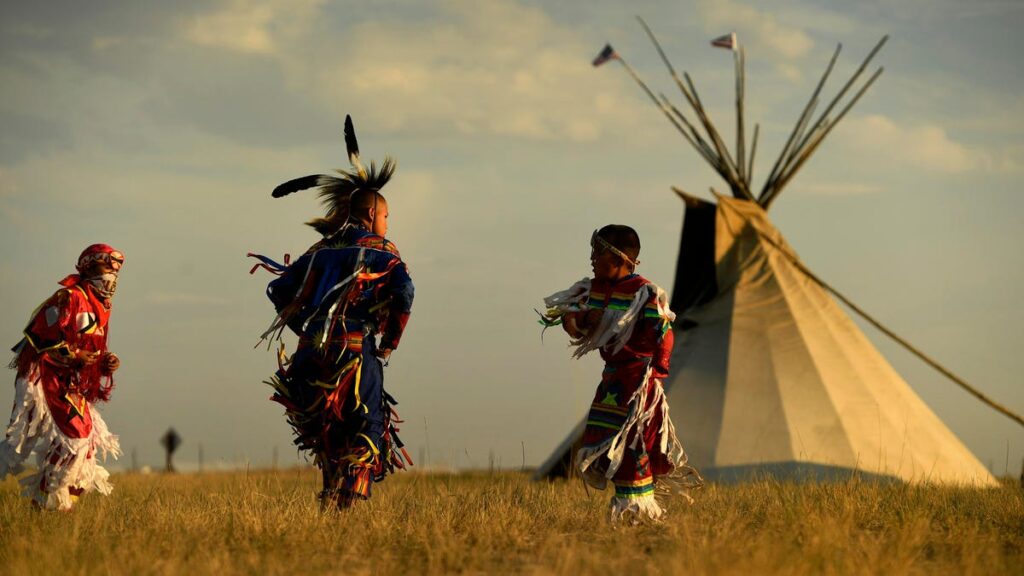
In this post I will be primarily focusing on Spiritual Animism. In particular, I will explore the ways that indigenous cultures and Traditional Ecological Knowledge (TEK) can contribute to solving the environmental crisis created by human activity. First, we need to have some understanding of animism.
Animism
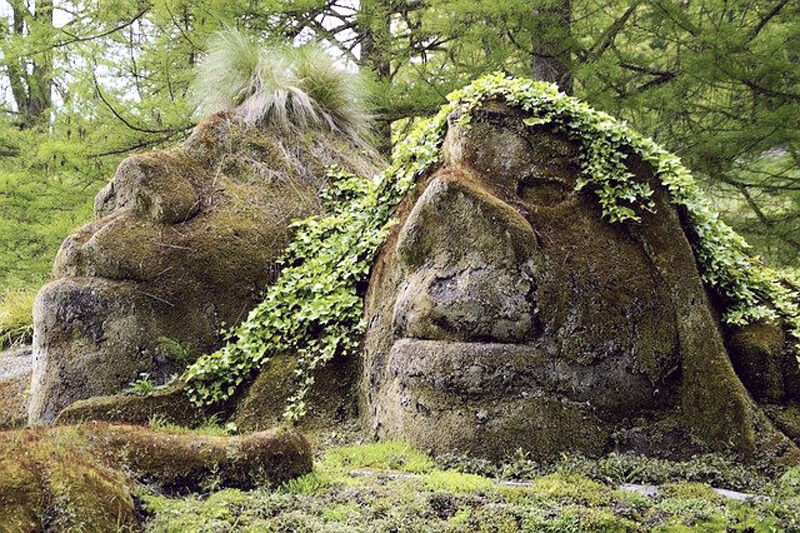
The term animism derives from the Latin anima, meaning breath or spirit. Animism is the belief that the environment or parts of the environment, such as animals, trees and mountains are animated by a spiritual life force that essentially bestows personhood.
Graham Harvey indicates:
Animists are people who recognise that the world is full of persons only some of whom are human, and that life is always lived in relationship with others (Harvey 2006: xi)
Early anthropologists, such as Edward Tylor (1832–1917), dismissed animistic beliefs as primitive and misguided. Tylor, who was influenced by Darwin’s recently published theory of evolution, suggested that religious ideas evolved from animism to polytheism and finally developed into monotheistic beliefs. Tylor stated that: ‘animism characterises tribes very low in the scale of humanity’. He proposed that animistic beliefs assert that ‘spiritual beings are held to affect or control the events of the material world and man’s life’ (Tylor 1877: p.426). In Tylor’s terms ‘primitive cultures’ believe that spirits animate not only humans, animals and plants, but also what we would deem to be inanimate objects such as weapons, rocks and rivers.
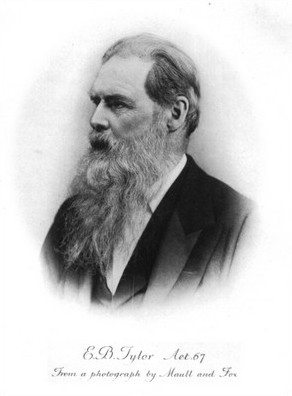
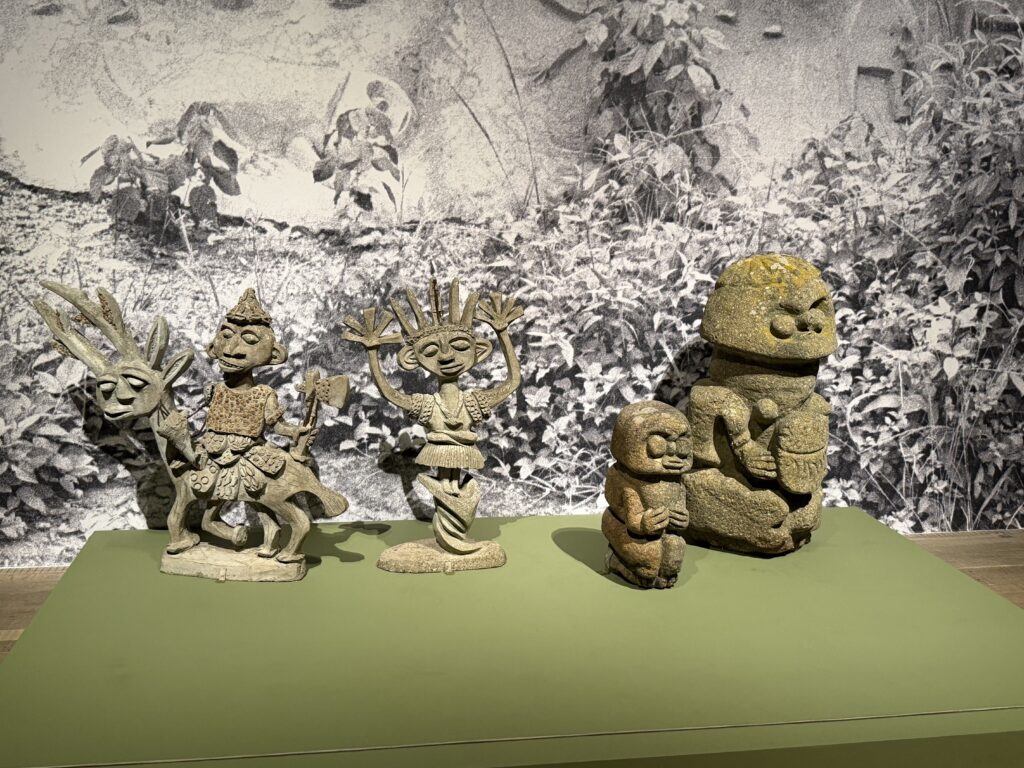
Tylor’s ideas and language are now regarded as integral to the colonial project, and animistic beliefs have now been reevaluated. It is now widely acknowledged that animism has the potential to inform a more environmentally sustainable lifestyle. Graham Harvey notes a new usage of the term animism which denotes:
A concern with knowing how to behave appropriately towards persons, not all of whom are human.
(Harvey 2006: xi).
Intrinsic to what might be called the Animist Renaissance is a critique of Cartesian Duality, industrialisation and consumer culture. For example, Arianne Conty, argues that indigenous communities, influenced by an animistic worldview, ‘reject modern capitalist resource extraction and the placing of profit over shared kinship values intrinsic to animism’ (Conty: 131).
What is a Person?
Animism raises the thorny issue of what is a person. We tend to think of personhood as being synonymous with humans. However, animists regard other-than-human beings as also being persons. This can include animals, plants, features of the landscape and spirits.
In law persons are beings with rights. Even in modern societies beings that are other-than-human have been recognised as legal persons. Animals, as we have seen in a previous post, have been granted legal rights. So too have rivers and other features of the landscape.
In 2017 Te Awa Tupua (Whanganui River Claims Settlement) Act 2017 stated that:
Te Awa Tupua is an indivisible and living whole from the mountains to the sea, incorporating the Whanganui River and all of its physical and metaphysical elements.
Te Awa Tupua is a legal person and has all the rights, powers, duties, and liabilities of a legal person

Image from Eyes on NZ
The philosopher Charles Taylor argues that:
- Whilst all humans are persons, not all persons are human.
- A person is a being with moral status.
- A person is a being who has a sense of self, has a notion of the future and the past, can hold values, make choices; in short, can adopt life-plans.
- A person is a being who can be addressed, and who can reply’. Taylor characterises this type of being as a ‘respondent’.
(Taylor 2012:97).
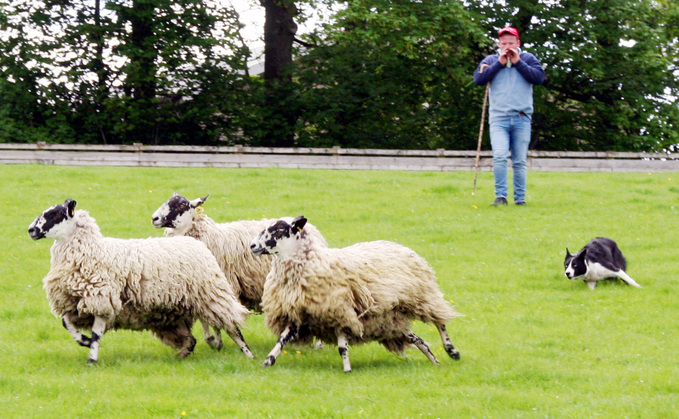
We readily acknowledge that some animals, such as cats, dogs and horses, do respond to us, other beings and the environment. However, it is less clear when it comes to insects, plants, rivers and rocks. Nonetheless, animists and many indigenous cultures suggest that plants, trees, mountains and so on are also are persons.
In her fascinating essay ‘Mishkos Kenomagwen: The Lessons of Grass’ Robin Wall Kimmerer observes that in Anishinaabek culture:1
Plants are understood, not as mere objects or lower life forms as the western “pyramid of being” 2might suggest, but as non-human persons, with their own knowledges, intentions, and spirit. (Kimmerer 2018:28)
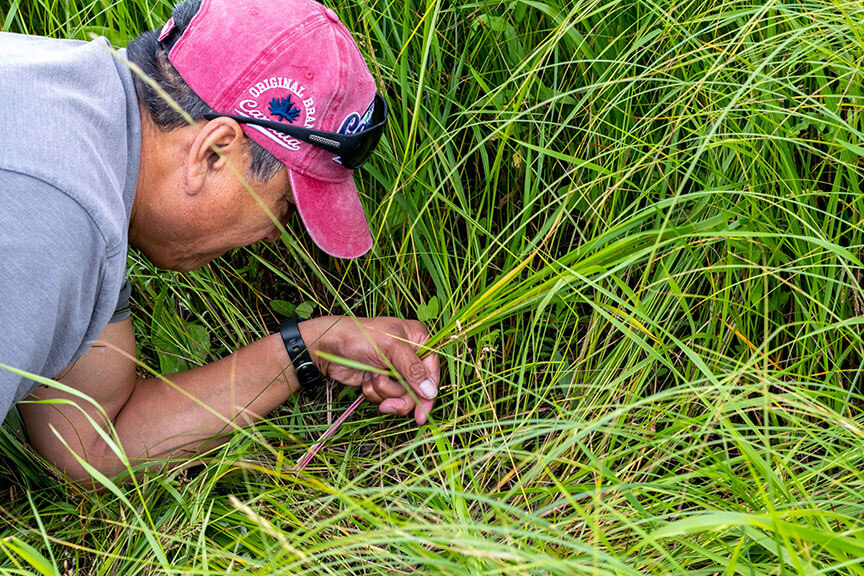
Kimmerer suggests that not only do we enter into relationships with plants, but that plants are teachers. An animistic worldview proposes that other-than-human beings can be respondents if we learn how to listen. To understand other-than-human beings as persons we have to rethink how we conceptualise personhood. Graham Harvey notes:
To be a person does not require human-likeness, but rather humans are like other persons.
Harvey 2006: 18.
Animists enter into reciprocal relationships with diverse persons including, other humans, animals, plants, the land and spirit beings.
Traditional Ecological Knowledge (TEK)
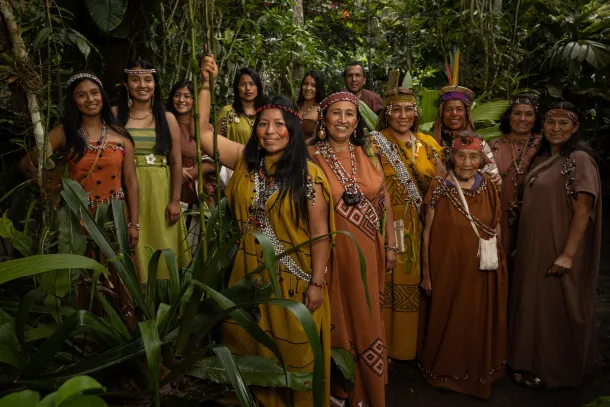
Animism and the belief that other-than-human beings are persons is often associated with indigenous religions. ‘Indigenous’ is a problematic and contested term. Whilst James Cox acknowledges that indigenous religions are incredibly diverse, he identifies two defining characteristics:
- An overwhelming emphasis on kinship relationships.
- Identification with a specific geographical place
(Cox 2013: 11)
This emphasis in indigenous cultures on kinship and geographical place is often a motivation for a more environmentally sustainable lifestyle. This is sometimes referred to as Traditional Ecological Knowledge (TEK).
Dan Schilling, whilst acknowledging diversity ,suggests that all TEK is characterised by:
- The belief in the imperative of reciprocity and respect between all beings – human and other-than human beings.
- Reverence towards nature that is often enacted through religious rituals.
- A relationship to the land that is not shaped by seeking economic profit.
- The idea of owning the land is synonymous with owning another person – in other words a form of slavery.
- The necessity that every generation has a responsibility to leave a healthy world for future generations.
Schilling 2018: 12
Recipocity and Gratitude
The idea of reciprocity and gratitude is linked to the idea that other-than-human beings are also persons. To illustrate the idea of reciprocity and gratitude in TEK, Kenomagwen relates a wonderful creation myth.
In this narrative the primordial human, known as Skywoman, falls from the Skyworld to earth. Her fall is broken by geese. However, the embryonic Earth is entirely water, so a turtle agrees to let her rest on its back. A muskrat retrieves some mud from the bottom of the ocean, but dies in the process. Skywoman spreads the mud that the muskrat had collected on the turtle’s back. She then scatters the seeds that she had carried from the Skyworld which subsequently grow into plants.
And so, the earth was made. Not by one alone, but from the alchemy of the plant and animal gifts, and human gratitude and reciprocity.
Kimmerer 2018: 29–30.
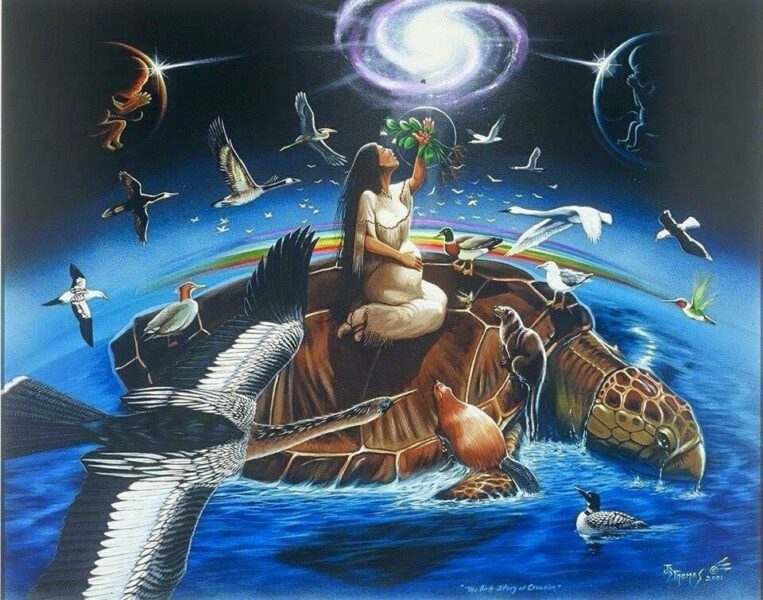
Gratitude and reciprocity for the gifts of other-than-human beings who sustain us is often expressed through rituals.

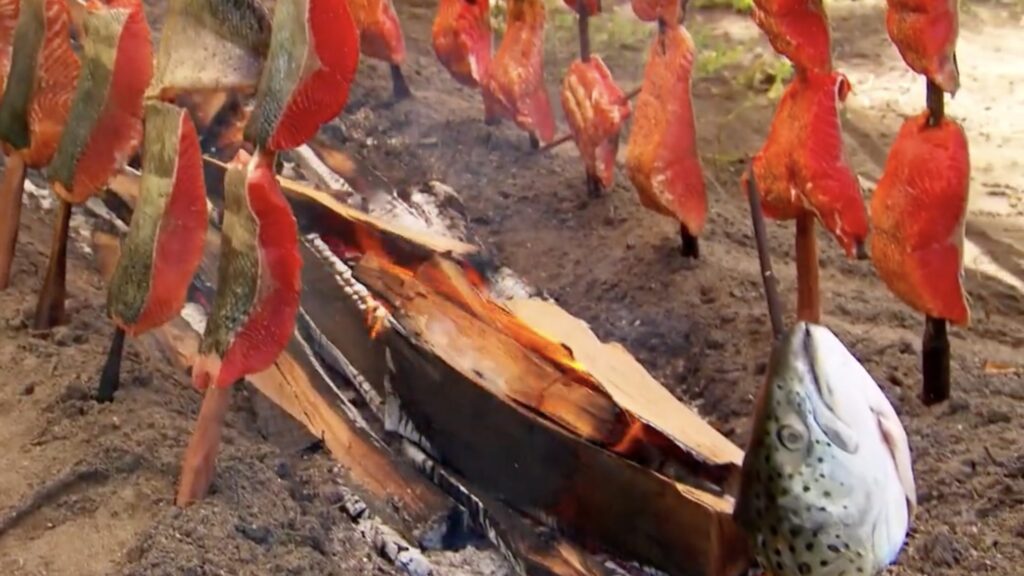
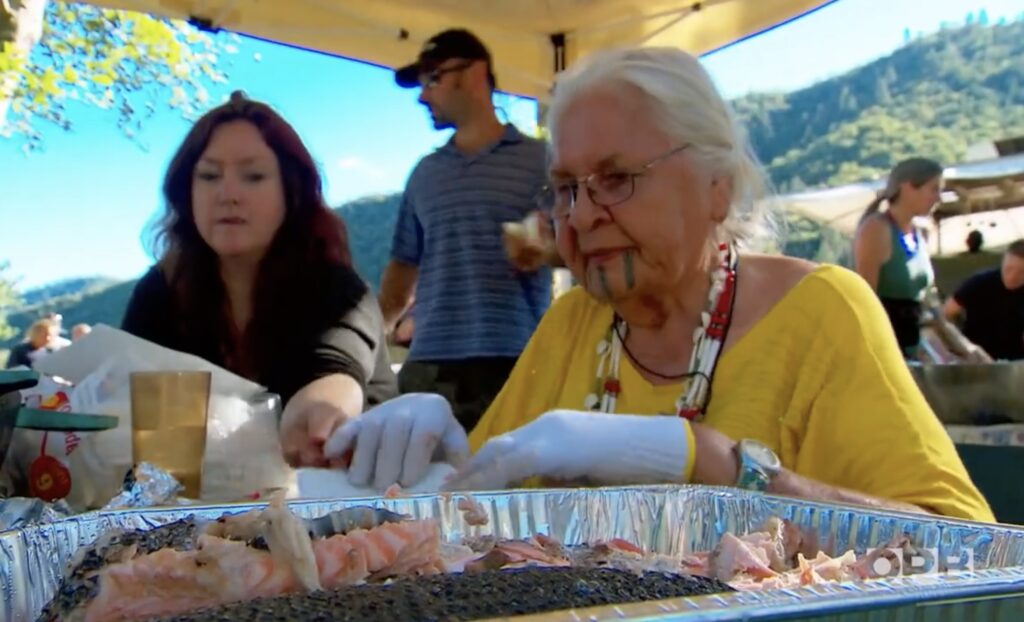

These rituals, such as the first salmon ritual of the Takelma tribe of Oregon, involve offering something back to nature. The salmon swimming up the Rogue River to spawn signals the beginning of the fishing season for the Takelma. A ritual after the first catch of the season involves a diver returning the skin and bones of the salmon to the riverbed. This symbolises reverence and gratitude to the fish for sacrificing their lives to feed the tribe. Afterwards the cooked salmon is shared out amongst everyone present.
However, this is not simply a religious ceremony but is what Kimmerer (2018: 32) calls ‘practical reverence’. For example, there is a stone roughly shaped as a chair on the banks of the Rogue River, where an elder of the tribe would sit, and make a judgement as to when it was appropriate to start fishing.
The first salmon ritual was forcibly halted in the mid nineteenth century, but has now been revived by Agnes Pilgrim, affectionately known as Grandma. Since she has revived the first salmon ritual, three dams on the Rogue River have been removed which has enabled the salmon population to flourish. Agnes Pilgrim has pledged to continue the first salmon ritual. She states:
This must be carried on to save the salmon nation, the swimmers in the water, not just the Rogue River right here, all over the world. I am that voice. You are that voice. We have got to take care of our rivers and streams if we’re going to live on this planet.
https://www.youtube.com/watch?v=h6b8dGVK06Y
Relationship to the Land
Anu Lakshmi Babu observes that:
For Indigenous people, the land is not a commodity but a living entity, a source of life, memory and identity that shapes their worldview and sustains their traditions. This connection fosters a land-based identity rooted in reciprocal respect, stewardship and sacred kinship with nature .
(Babu 2025: 1)
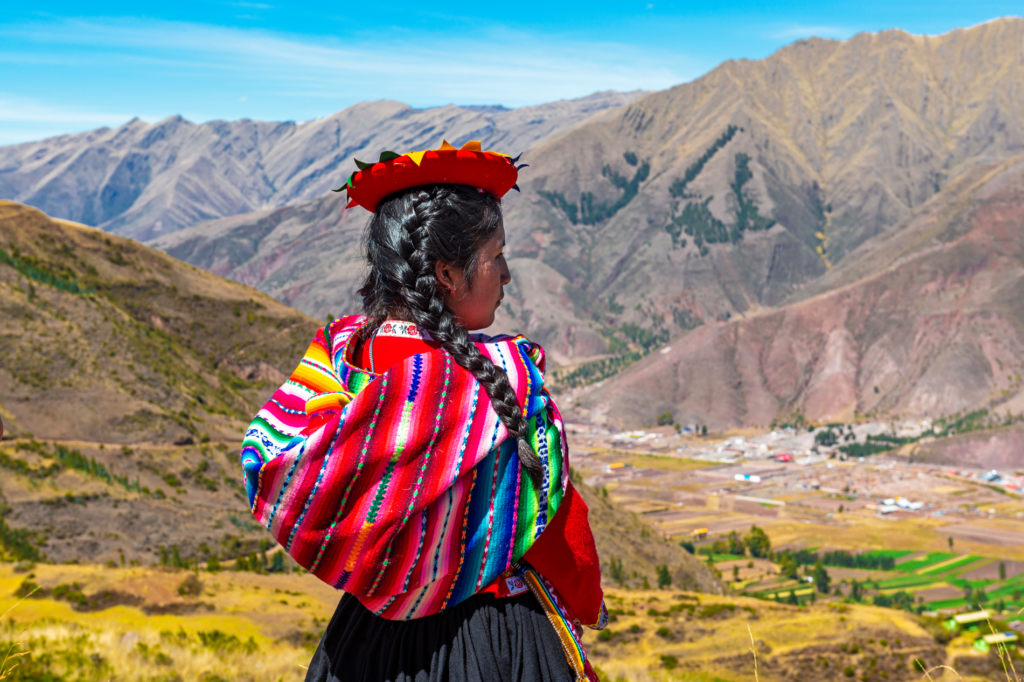
Indigenous people’s relationship with the land tends to be contextual and associated with a specific place. Indigenous knowledge entails a deep understanding of the landscape and all the beings, both human and other-than-human, that inhabit the local environment. This indigenous knowledge of the complex interactions between the landscape and all beings encourages a sustainable lifestyle.
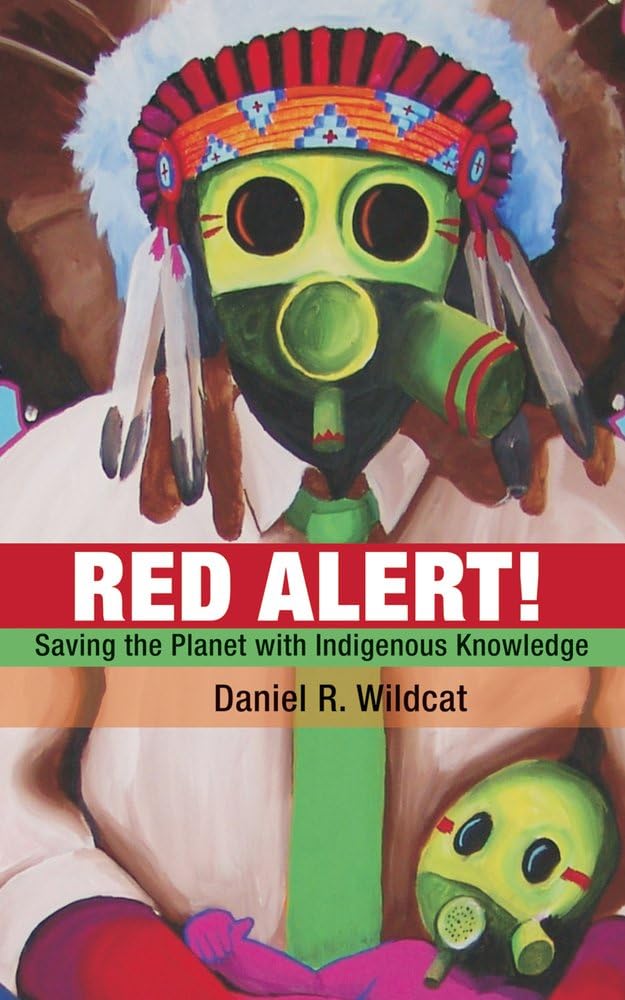
In his polemic Red Alert, the Native American scholar Daniel R. Wildcat argues that this indigenous knowledge, which he calls ‘indigenuity’, is:
The realization that the life that surrounds us can teach us valuable lifeway lessons, if we pay attention to our relationships and interactions with the land, air, water and other-than-human living beings (Wildcat 2009: 74).
Wildcat describes this indigenous attention to the environment and all the beings which inhabit that environment as ‘a deep spatial experiential body of knowledge (p.15). This deep spatial experiential knowledge is always located in a specific place. He argues that:
It makes all the difference in the world where one lives in the diverse biosphere of Mother Earth
(Wildcat 2009:106)
This spatial experiential knowledge inclines indigenous peoples to live in environments ‘instead of expending the energies modern humans devote to changing environments (p.77).
Wildcat’s argument seems rather parochial. This deep spatial experiential knowledge might be effective in addressing environmental destruction of a specific locality but might be inadequate in tackling the global environmental catastrophe.
However, Wildcat argues that indigenous knowledge is a valuable resource in addressing the global environmental destruction caused by industrialisation, capitalism, rampant consumerism and alienation from the land. He argues that indigenous cultures have developed reciprocal relationships with other-than-human persons, rather than exploiting nature to satisfy of human rapacity. This shift in attitude towards other-than-human-beings is crucial if we are to have any hope of preserving our planet.
Time: Ancestors and Future Generations
Time is a significant aspect of TEK. There are two aspects to this temporal aspect of TEK: what is owed to ancestors and responsibilities towards future generations.
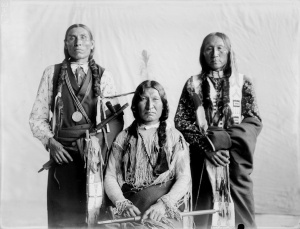
The term tradition is indicative of the debt to previous generations. The term is derived from the Latin tradere, which is a compound of trans meaning ‘over’ and dare ‘to give’. Tradition is most commonly understood as the beliefs and customs handed down from one generation to the next.
Indigenous narratives indicate how ancestors learned to live in particular locations and developed reciprocal and respectful relationships with other-than-human beings including the landscape itself. This knowledge allowed indigenous cultures to flourish in a sustainable way. It is therefore imperative to learn from the wisdom of the ancestors. An important caveat to stress is that this acknowledgement of the debt to the past does not mean that indigenous cultures are static and unchanging.
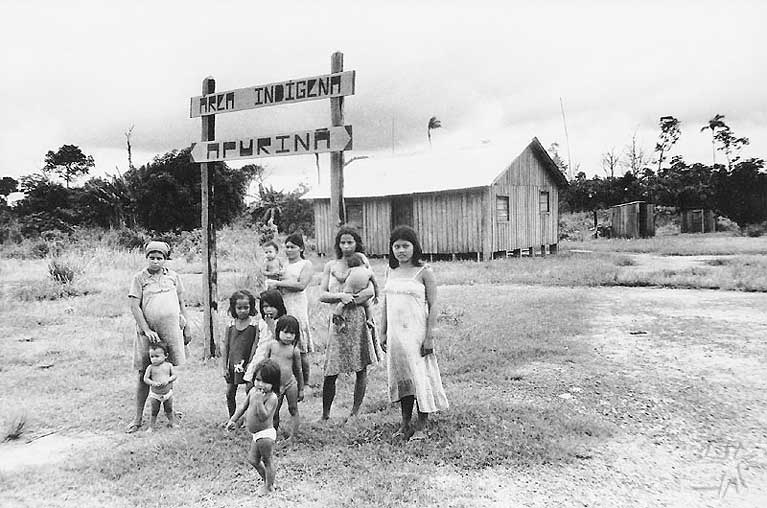
In his article about the Apurinã community in Brazil Pirjo Kristiina Virtanen (2019) describes how significant stories of the ancestors are important resources for informing the community on how to live on the land in respectful and reciprocal relationships with other-than-human beings. These narratives articulate ‘long-term human–environment interactions and knowledge-production between generations’ (Virtanen 2019:334).
An Iroquois oral account suggests that we have to think about the consequences of actions for the next seven generations:
The thickness of your skin shall be seven spans … Look and listen for the welfare of the whole people and have always in view not only the present but also the coming generations.
Cited in Schilling 2018:13.
A statement that is attributed, albeit never proven, to Chief Seattle suggests:
We do not inherit the Earth from our ancestors, we borrow it from our children.
This concept of the responsibility for leaving the world in as good or better condition for future generations is inherent in many indigenous cultures.
Inclusion
The final point that needs to be addressed when considering TEK is the issue of inclusion. There are two interrelated aspects to this.
- The vulnerability of many indigenous to the impacts of the climate change.
- The need to listen to indigenous voices.
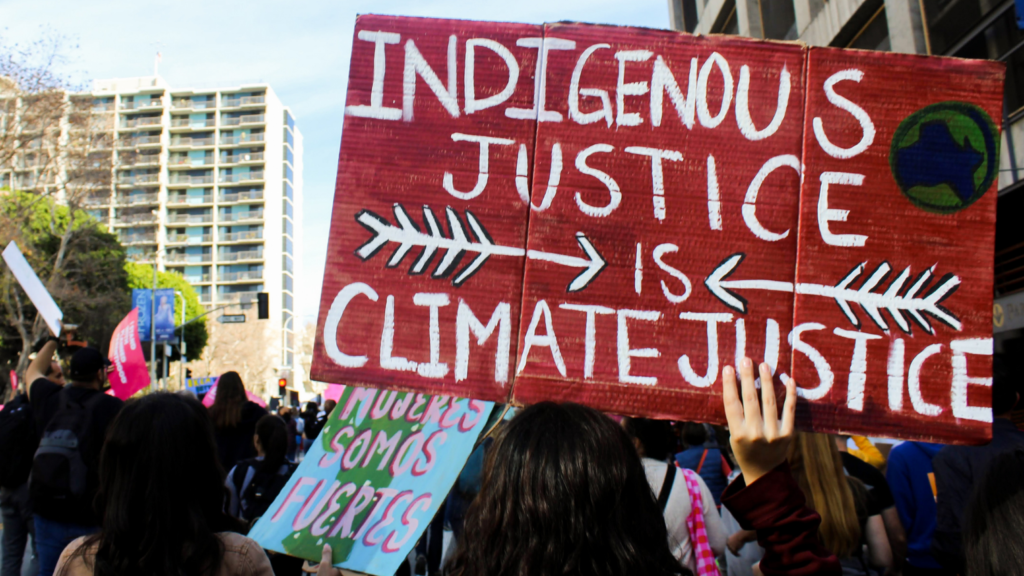
It is well established that indigenous people have frequently suffered not only because of colonial and capitalist exploitation of their lands, but also because many indigenous people live in environmentally fragile locations that are most prone to the catastrophic effects of climate change. Consequently there is a strong link between indigenous cultures and environmental justice
The United Nations indicate:
Indigenous peoples are among the first to face the direct consequences of climate change, due to their dependence upon, and close relationship, with the environment and its resources. Climate change exacerbates the difficulties already faced by indigenous communities including political and economic marginalization, loss of land and resources, human rights violations, discrimination and unemployment.
Wildcat and other lobbyists demand that indigenous peoples must have ‘a seat at the table’. This is not only to protect indigenous ways of life that are most vulnerable to the devastation of the climate change, but also because TEK can make a considerable contribution to solving the environmental catastrophe facing the planet.
There were about 5,000 indigenous representatives at COP 30 in Brazil in 2025. The Minister for Indigenous People suggested that there was a ‘joint construction to put Indigenous people at the centre of the political debate (about climate change) to ensure effective participation’ (cited in COP 30 Brasil).3
Some indigenous groups thought that this presence was mere tokenism, and indigenous voices were still not being listened to. A group of Munduruku people from the Amazonian rain forest blockaded the COP venue for a short while, protesting about the destruction of their land, and lack of access to the central debates.
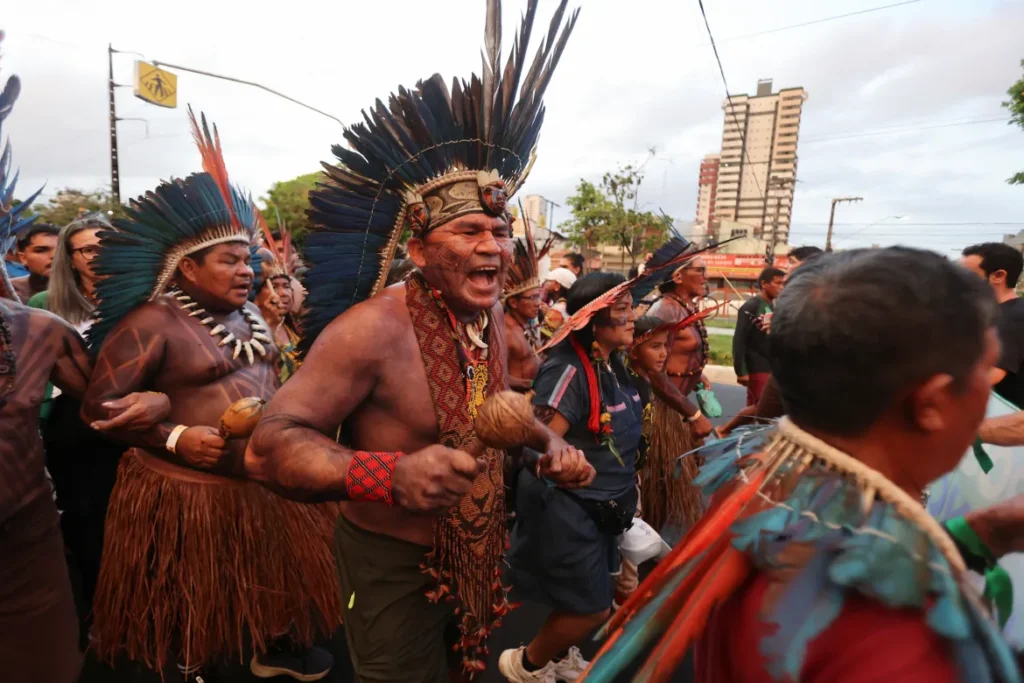
Image from Al Jazeera
Conclusion
If we are to solve the climate emergency, we must listen to as many voices as possible. Indigenous peoples have developed the knowledge to live sustainably on the land with other-than-human beings. However, as much of this indigenous knowledge has been expressed in mythic narratives it has largely been ignored or dismissed in the Western world.
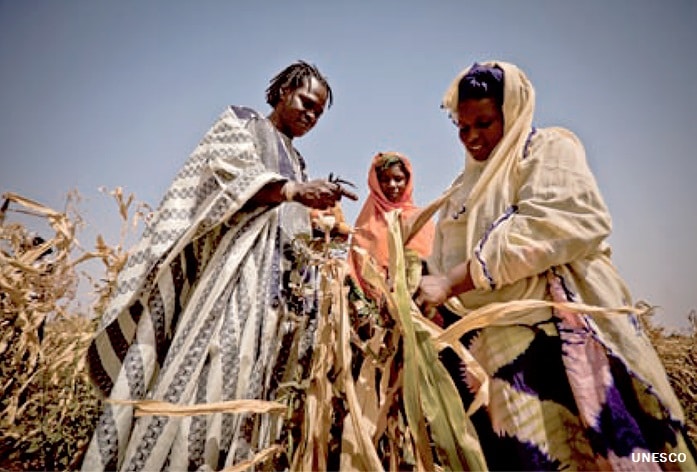
There is a growing awareness amongst Western scientists that TEK has much to contribute to solving the environmental crisis. Furthermore, many indigenous people have studied sciences and are now finding ways of articulating TEK in ways that resonate with the Western scientific paradigm. In a fascinating recent article in the Guardian, Lela Nagri suggests that there is ‘a long overdue “braiding” of Native and western knowledge. For example, the First Nation scholar Dr Kisha Supernant states that Indigenous knowledge has ‘a rich history of observation, experimentation and understanding that has its own system of rigor’ (cited in Nagri 2026).
Furthermore, if we are concerned with environmental justice, we have to be aware that indigenous lifeways have not only been decimated by Western colonialism, capitalism and industrialisation, but also are also particularly vulnerable to the environmental crisis that is facing our planet. Consequently, not only must Indigenous peoples be given ‘a seat at the table’, but their voices must be given equal, if not greater weight, than Western politicians, economists, scientists and industrialists.
Sources
Babu, A.L. (2025) Animating the Land: Native American Spirituality, Identity and the Struggle for Sovereignty in
Contemporary Literature. Litinfinite Journal. 7:1.
Conty, A. (2022) Animism in the Anthropocene. Theory, Culture and Society 39(5), pp.157–253.
COP 30 (2025) COP with Record Indigenous Participation Secures Territorial Protection and Mechanisms to Strengthen
the Agenda. Available at: https://cop30.br/en/news-about-cop30/cop-with-record-indigenous-participation-secures-
territorial-protection-and-mechanisms-to-strengthen-the-agenda.
Cox, J. (2013) Reflecting Critically on Indigenous Religions. In James Cox (ed.) Critical Reflections on Indigenous Religions.
Abingdon: Ashgate.
Harvey, G. (2006) Animism: Respecting the Living World. New York: Columbia University Press.
Kimmerer, R.W. (2021) Mishkos Kenomagwen, the Lessons of Grass: Restoring Reciprocity with the Good Green Earth. In
Melissa K. Nelson & Dan Shilling (Eds.) Traditional Ecological Knowledge: Learning from Indigenous Practices for
Environmental Sustainability. Cambridge University Press.
Nagri, L. (2026) Braiding Knowledge: How Indigenous Expertise and Western Science are Converging. The Guardian, 4
April. Available at: https://www.theguardian.com/environment/2026/apr/04/indigenous-knowledge-western-science-
climate-ecosystems.
New Zealand Legislation (2017) Te Awa Tupua (Whanganui River Claims Settlement) Act 2017. Available at:
https://www.legislation.govt.nz/act/public/2017/7/en/latest/#DLM6831460.
Schilling, D. (2018) Introduction: The Soul of Sustainability. In Melissa K. Nelson & Dan Shilling (Eds.) Traditional Ecological
Knowledge: Learning from Indigenous Practices for Environmental Sustainability. Cambridge University Press.
Taylor, C. (2012) Human Agency and Language: Philosophical Papers. Cambridge University Press.
Tylor, E.B. (1877) Primitive Culture. New York: Henry Holt & Co. Available at:
https://www.google.co.uk/books/edition/Primitive_Culture/MuO2jKOv298C?hl=en&gbpv=1
United Nations, Department of Economic and Social Affairs. Indigenous People: Climate Change. Available at
https://www.un.org/development/desa/indigenouspeoples/climate-change.html.
Virtanen, P.K. (2019) Ancestors’ Times and Protection of Amazonian Indigenous Biocultural Heritage. AlterNative, 15(4).
330–339.
Wildcat, D.R. (2009) Red Alert: Saving the Planet with Indigenous Knowledge. Wheatridge CO: Fulcrum Publishing.
- A group of related indigenous cultures of the Great Lakes region of the USA and Canada ↩︎
- See my post on Animal Rights for a brief discussion on ‘the Pyramid of Being’ also sometimes called the Great Chain of being ↩︎
- COP stands for Conference of Parties. It is the annual UN summit that reviews and discusses the impact and possible solutions to the climate emergency. ↩︎