Setting the Scene
This section of my blog is based on a module that I validated for undergraduate students studying philosophy and/or religious studies. I was surprised that many students were relatively unaware or unconcerned about environmental issues. Consequently, I spent most of the first session discussing these environmental issues. However, I will not write much about the current environmental emergencies that we are facing today in this blog, as there is plenty of available literature on this. I am primarily interested in the philosophical and ethical issues raised by the environmental crisis and the religious responses to these challenges.
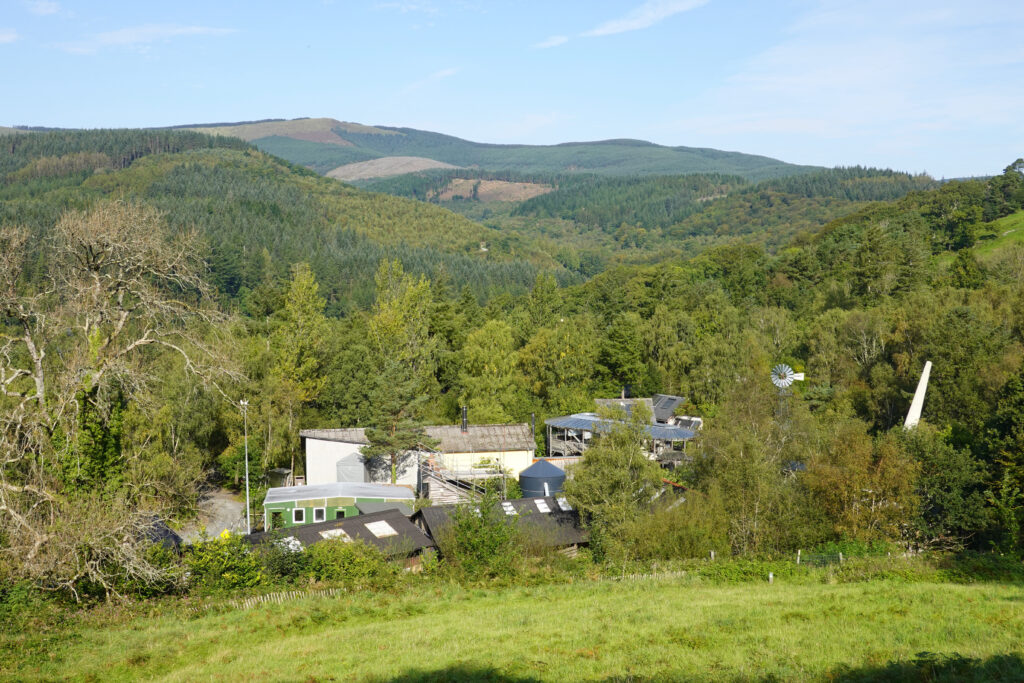
My interest in environmental issues began when I joined the Centre for Alternative Technology (CAT) to run their vegetarian restaurant. CAT is an education centre focused on teaching about sustainable ways of living. I was also fortunate enough to win a Leverhulme Grant in 2019 to research CAT, which led to the publication of Sustainable Living at the Centre for Alternative Technology (Routledge 2023) and a short article about the relationship between egalitarianism and sustainability for the Journal of Co-operative Studies (56:1).
After leaving CAT, I went to study undergraduate and post graduate degrees in religious studies and subsequently taught RS at the University of Wolverhampton. Consequently, the module and this blog section on philosophy, religion and ethics combines two of my passions.
Introduction
In this post, I will introduce some of the philosophical and ethical approaches to the current crisis. In future posts I will more specifically address the religious responses to environmental issues.
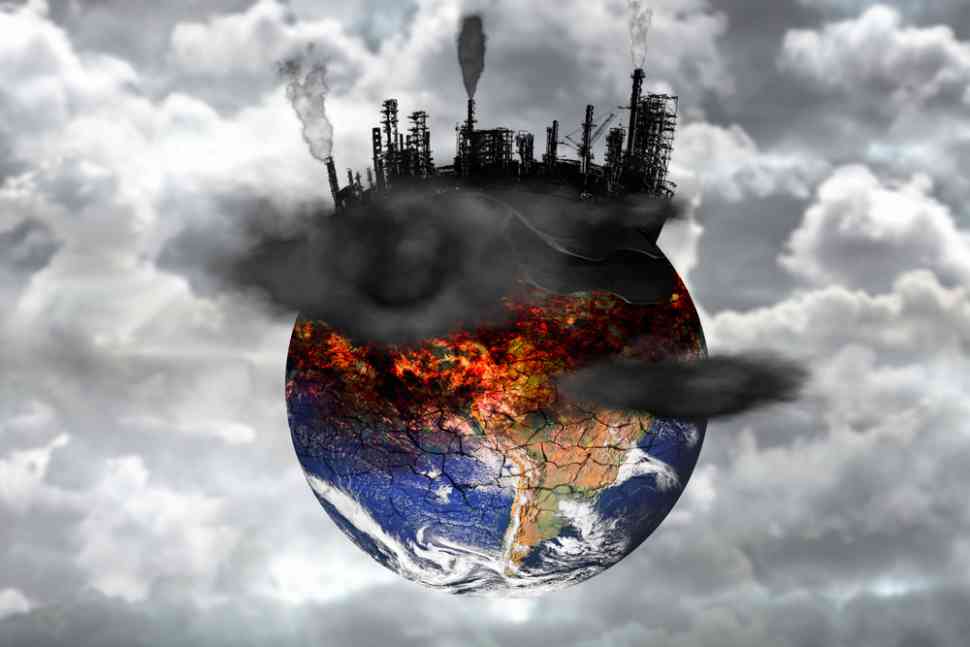
The world is facing an environmental crisis. This includes: the trajectory that is raising the temperature of the planet to a catastrophic extent, the loss of biodiversity, increasing levels of pollution and depletion of natural resources. It is widely acknowledged that this catastrophic threat to our home planet is caused by human activity.
Joachim Radkau (2014) has cogently argued, there has been a paradigm shift in our understanding of the consequences of human activity on the environment. Radkau suggests that period since the early 1970s can be characterised as ‘the age of ecology’.1
This unprecedented threat to our environment is not simply a practical problem that requires a technological solution but is also a philosophical issue and ethical concern. This environmental crisis impacts all life on the planet and therefore there is an imperative for everyone to consider how we can respond to this existential threat.
A concomitant of this age of ecology is a new environmental idiom. Language is not simply a reflection of an independent reality but constructs our understanding of the world. There are now numerous texts and voices, some in accord and others divergent or in opposition, that articulate conceptions of the environment. These texts and voices have developed a new vocabulary which George Myerson and Yvonne Rydin have termed “the environet” which they define as ‘a network making linkage upon linkage between the environment words’ (Myerson and Rydin 1996: 7). Examples of ‘environet’ terms include biodiversity, sustainability, tipping points, pollution etc. (See the glossary below).
A Wicked Problem
The environmental challenge that we face has been called ‘a wicked problem’. Nancy Roberts indicates that wicked problems have three interrelated characteristics:
- There is no broad consensus on what the actual problem is.
- There are alternative and frequently competing solutions proposed by different individuals and groups.
- There are numerous constraints, such as lack of resources, and ramifications to the various proposed solutions. (Roberts 2000:1)
The Idea of Nature
One of the ways that we can understand and begin to address the environmental crises faced by the planet is to explore the idea of nature. In particular we need to explore different perceptions of the interrelationships between human beings and the natural world.
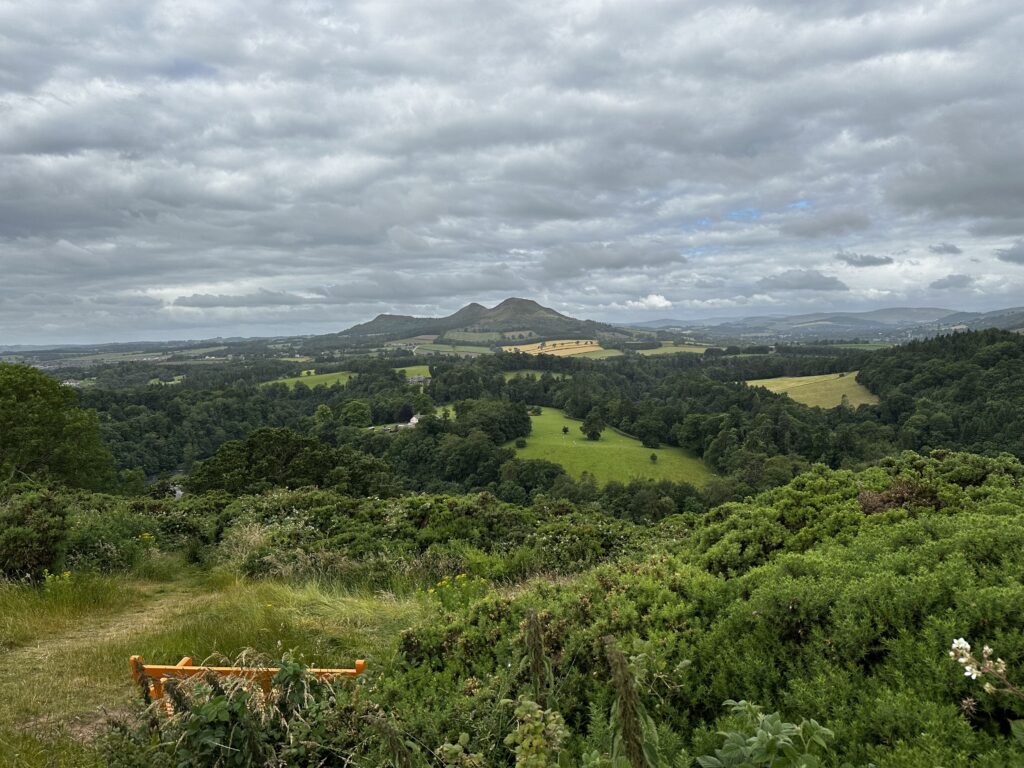
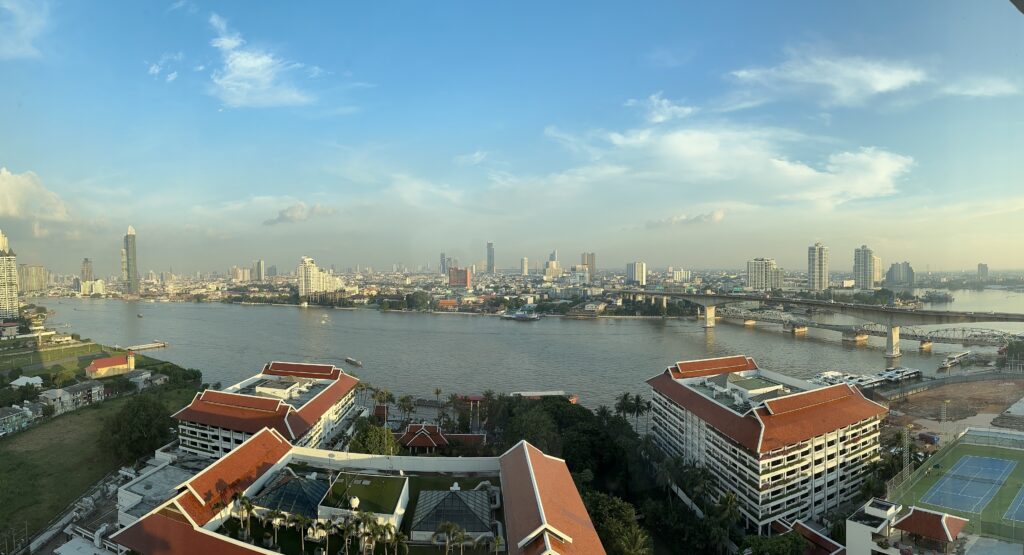
Nature is a peculiarly complex concept. However, we tend to understand nature in terms of a number of oppositions.
- Nature as opposed to society
- Nature as opposed to nurture
- Natural as opposed to artificial
These binary oppositions are taken for granted and assumed to be objectively true. However, they are cultural constructs and consequently are inherently evaluative. These oppositions can be subsumed under the perceived distinction between nature and culture.
Ben Highmore notes ‘it is almost impossible to disentangle the “pure” material object from the layers of discursive imaginings’ (Highmore 2016: 29). In other words, we cannot perceive nature as an objective reality independently from the way that it is represented in the arts, sciences and popular culture. For example, our perception of the countryside is conditioned by landscape painting (in the UK particularly the paintings of John Constable), poetry (particularly the Romantic poets such as Wordsworth), TV shows such as The Great British Countryside, news reports on rural issues and so on.
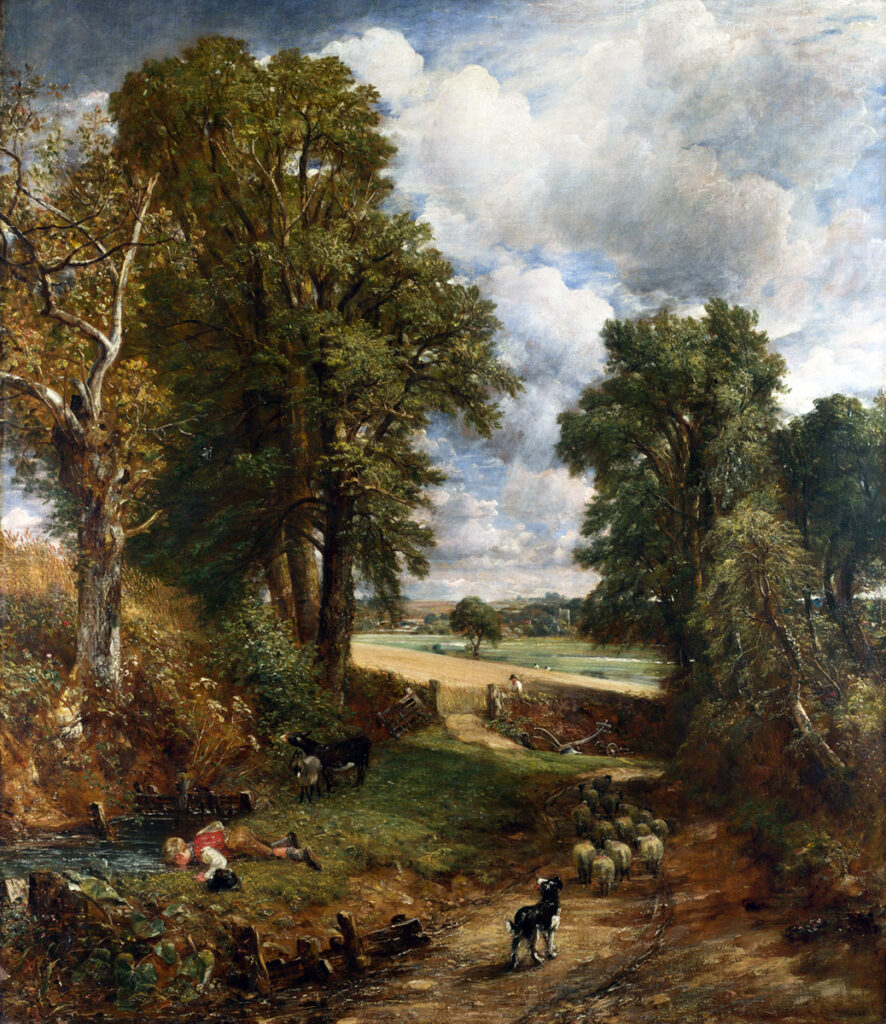
John Constable: The Cornfield. 1826)
Dominant discourses about nature in many ways determine how humanity treats the natural world. In the context of modernity, there are two main discourses about the relationship between nature and humanity – the instrumentalist view and the romantic view..
The Instrumentalist View

The instrumentalist view represents nature as a resource for human use. This view tends to emphasise human exceptionalism – that humans are inherently different to all other species. In this view nature is often perceived as wild and requires domesticating to serve human ends. Whilst nature has in some senses always been considered as a means to an end, the exploitation of nature was exacerbated by the development of capitalism and industrialisation.
The Romantic View
The romantic view suggests that humans have an inherent connection with the natural world. This view tends to utilise the idea of nature to critique modern industrialised and urban society, which is perceived as alienating. John Ruskin2, for example, saw industrialisation not only as a threat to the natural world, but also as detrimental to society and the quality of human life. In this view nature is perceived as an escape from the artificiality and stress of modern life.

The idea of nature cannot be separated from how the relationship between humans and nature is envisaged. We can identify three broad discourses that represent this relationship in different ways: anthropocentrism, biocentrism and ecocentrism.
Anthropocentrism
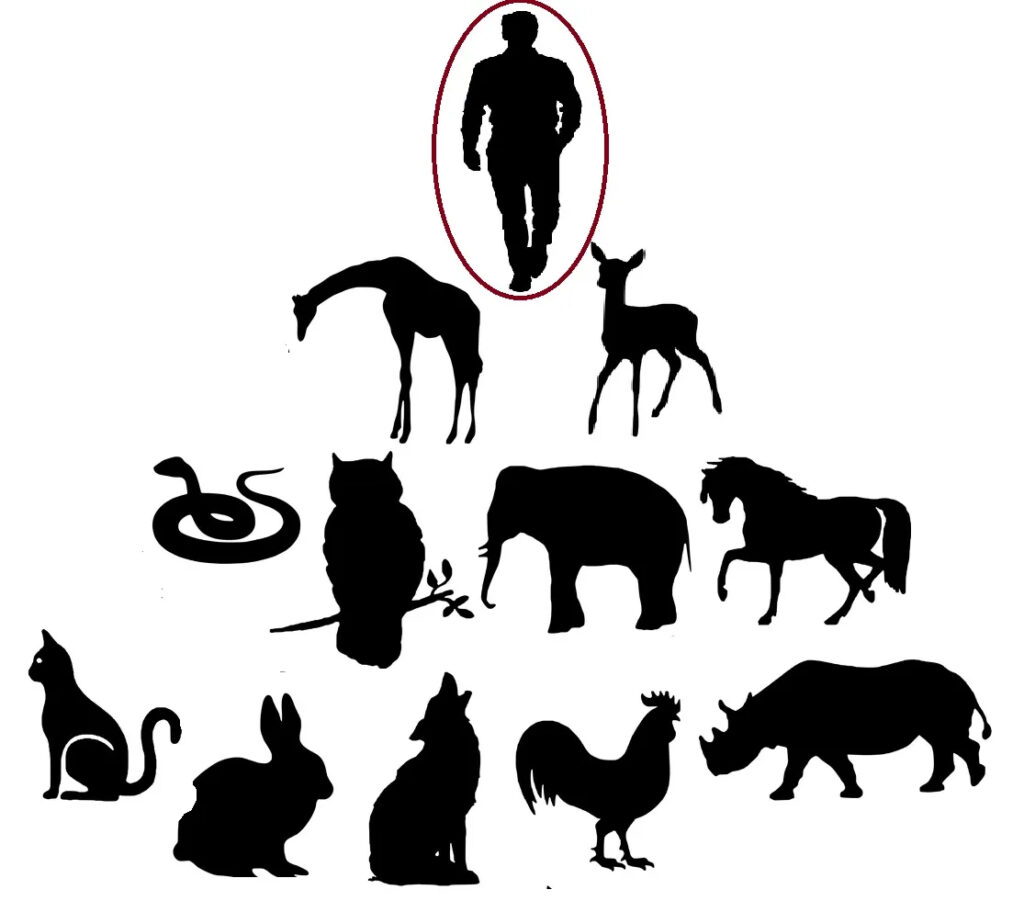
Image from Difference Between.com
Anthropocentrism suggests that humans are distinct from the non-human world. Nature is considered to be merely the ‘backdrop for the main show – the drama of human life ‘(James 2015: 3). This discourse facilitates an instrumentalist view of nature. Anthropocentrism is the philosophical perspective that has informed human actions that have caused the environmental crisis that we are facing now.
Another manifestation of anthropocentrism is the idea that humans should act as the stewards of nature. This attitude tends to be less exploitative than the pure instrumentalist view of nature as a resource, and can be identified in some forms of Christianity.
Biocentrism
Biocentrism suggests that humans are simply one species amongst many beings. Biocentrism posits that non-human beings have intrinsic value, that is they are considered as valuable for their own sake, and not merely having instrumental value. There are two poles to the biocentric view – the first relates to the idea of sentience and the second to the idea of flourishing.
This idea of sentience extends the moral sphere to non-human beings, because all sentient beings have the capacity to suffer. This view underpins the arguments for animal rights. The question that advocates of biocentrism face is how we determine which non-human beings are sentient. It is apparent that higher mammals – horses, dogs, dolphins and cats – can suffer, but it is less clear for earthworms, molluscs and plants.
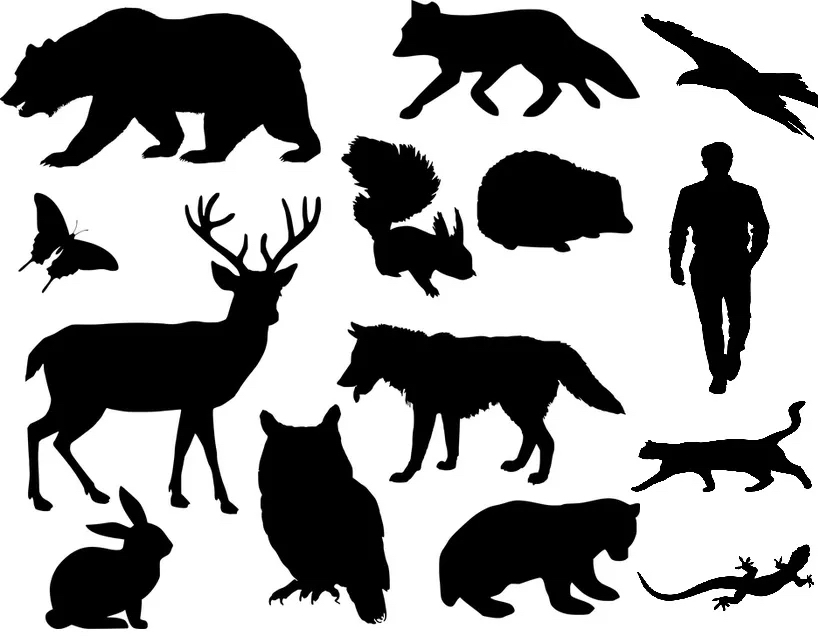
Image from Difference Between.com
Flourishing is an idea that can be traced back to the philosopher Aristotle (384 – 322 BCE). Whilst this is a complex idea, for the purposes of this brief discussion, flourishing can be understood as the highest achievable good. However, Aristotle is not merely concerned with the idea of human happiness and wellbeing but suggests that flourishing also has an ethical dimension and links the idea of flourishing to the concept of virtue.
Biocentrism extends the Aristotelian idea of flourishing to all beings. All beings, according to the biocentric view of flourishing, have moral standing. Plants, as far as we know, do not have desires or consciousness but may either flourish or wither and die. Whether a plant will flourish or wither is contingent upon the conditions of its soil, nutrients, amount of water and so on. The biocentric view suggests that I have a moral duty to ensure that all beings are provided with the best conditions for them to flourish. In other words, I not only have a moral duty to other humans and my pet cat, but also to my house plants.

Image from New Visions
Many in the Jain3 community take the moral standing of all beings very seriously, for example covering their mouths, to avoid accidentally breathing in insects.
The idea that we have a moral obligation to ensure the flourishing of all beings can lead to a moral overload. Our everyday activity has a direct impact on the capacity for various non-human beings to flourish. Agriculture, building or simply going for a walk and eating can have a direct and detrimental effect on the flourishing of non-human beings. It is impossible to consider the flourishing of every organism.
Ecocentrism
Ecocentrism suggests that biocentrism is too atomistic, as it is primarily focused on the moral standing of individual beings. The ecocentric view suggests that we must consider the wellbeing of systems as a whole. While there is a long history to ecocentrism, this perception has become increasingly influential with the development of ecology as a science. The term ecology was coined by Ernst Haekel in 1866, who defined ecology as:
The body of knowledge concerning the economy of nature – the investigation of the total relations of the animal both to its inorganic and organic environment. (Cited in Ghazoul 2020:17)
However, it was not until the mid-20th century that ecology came to be regarded as a significant paradigm in the wider scientific world.
One of the most important ideas to emerge from ecology is the concept of the ecosystem. Arthur Tansley, who coined the term ‘ecosystem’ in 1935, argued that
Organisms and their environment cannot be ‘treated separately but be considered together as one physical system’
(Cited in Ghazoul 2020:20)
The concept of an ecosystem emphasises that there is a network of dynamic relationships between all the biological organisms and the physical environment in which they reside. The corollary of the concept of the ecosystem is the realisation that harming any aspect of an ecosystem, biological or non-biological, will harm all beings within that physical environment.
The ecocentric perspective faces two major challenges:
- A logical corollary of an ecocentric view is that the good of the entire biotic community takes precedence over the wellbeing of individual beings. The elephant in the room is that, aside from the environmental harms caused by industrialised and consumerist lifestyles, there are too many humans on this planet and this population explosion is harmful to the biotic community as a whole and is in many ways detrimental to the flourishing of many non-human species.
- There are no clear criteria for judging what level of systemic interactions is the most apposite. Ecosystems can be anything from a drop of water that can support a myriad of microscopic flora, fauna, bacteria etc., to the planet as a whole.
Pantheism may be considered to be a form of ecocentrism. Pantheism denies any distinction between creator and created and the opposition between the sacred and the profane. Consequently, all life is regarded as inherently interconnected and sacred.
Planet Earth
Increasingly planet earth is considered to be a unified ecosystem that is made up of mutually contingent relationships held in a balance that benefits all organisms and the planet as a whole.
The global nature of mutually benefiting relationships is most clearly outlined in James Lovelock’s Gaia hypothesis, which he published in 1979.Gaia was the ancient Greek goddess of the Earth, and Lovelock used the term to suggest that the planet was a self-regulating system.4
We have to think of Gaia as the whole system of animate and inanimate parts.
Lovelock 2008: 15
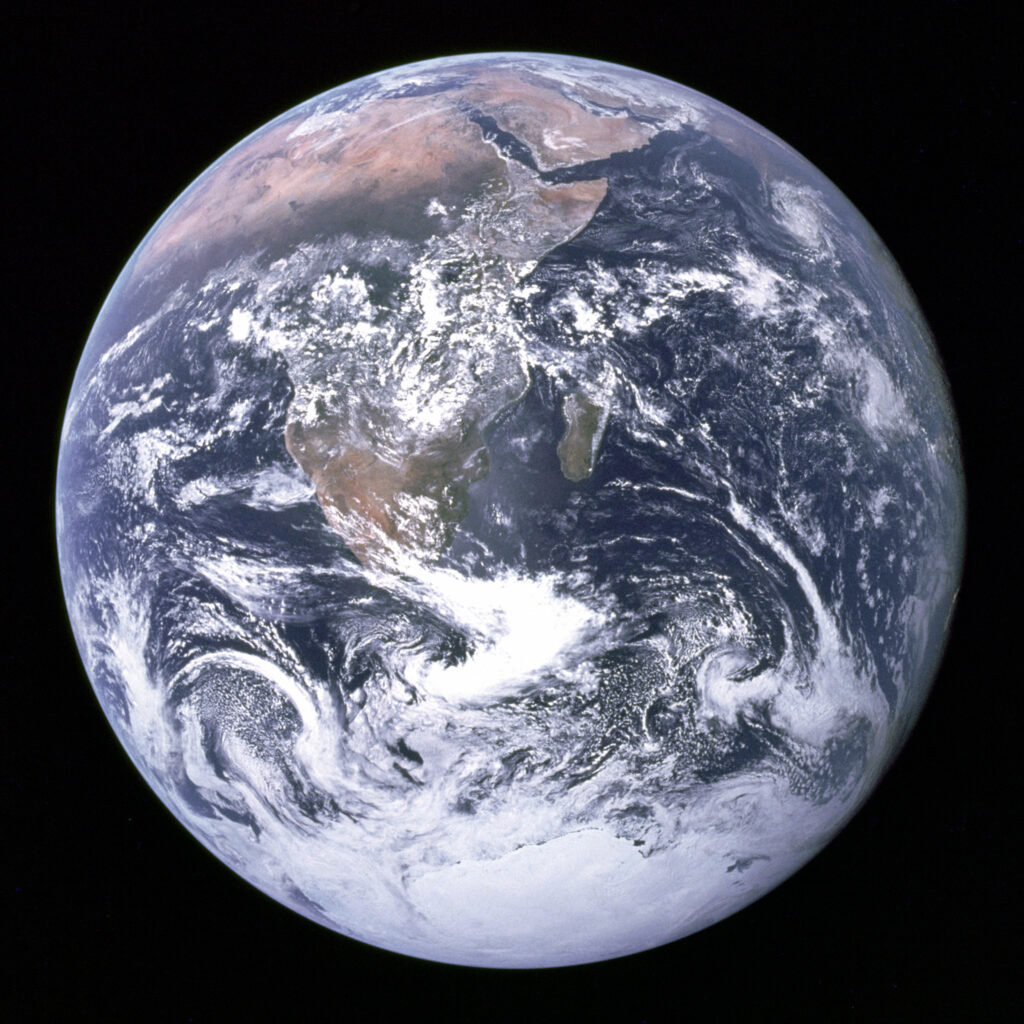
Linked to the idea that planet earth is an ecosystem is the call for a holistic understanding. A holistic view acknowledges that a specific action in one part of the system will have an impact on the system as a whole. Consequently, one of the mantras of the environmental movement is to ‘think globally, act locally’.
The Anthropocene
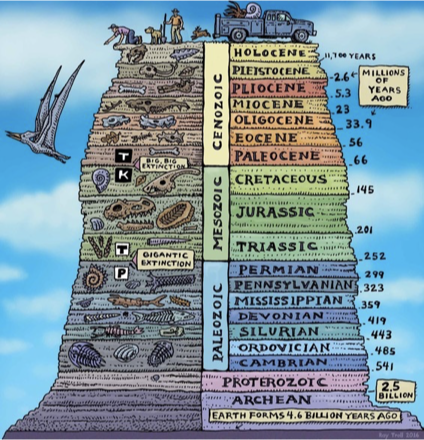
The burgeoning human population coupled with industrialisation and increasing consumer lifestyles has led some commentators to observe that humans are having such a massive and unprecedented impact on Earth systems, that it constitutes a new geological age that has been dubbed the Anthropocene (the Age of Humans). Erle. C. Ellis suggests:
Humans are now overwhelming the great forces of nature (Ellis 2018: 30–1)
The idea of the Anthropocene posits that human activity is now having an impact on the Earth system as a whole, that potentially can disrupt the equilibrium that supports all life. The Amsterdam Declaration on Global Change (2001) declares:
Anthropogenic changes to Earth’s land surface, oceans, coasts and atmosphere and to biological diversity, the water cycle and biogeochemical cycles are clearly identifiable beyond natural variability (cited in Ellis 2018: 32).
Conclusion
There is no doubt that planet Earth and all beings, human and non-human, are facing an existential crisis, primarily caused by human activity. There is also no doubt that there needs to be a paradigm shift at all levels of human societies and cultures – from the individual to the global. This paradigm shift requires both an understanding of the underlying concepts that inform human histories, societies and cultures, as well as exploring different ways of understanding what it is to be human and our relationship with non-human beings and our home planet. In other words, the current threat to life is as much a philosophical issue as a practical concern.
Whilst the current challenge is a ‘wicked problem’ – with no broad consensus as to what the actual problem is or what the solutions might be, I think that there is a glimmer of hope with the development of a more holistic way of thinking. Holism challenges atomistic thinking that emphasises a duality humanity and nature. Holistic thinking opposes anthropocentrism, which is the underlying philosophical perspective that has informed much of the damage that we humans have inflicted on our planet. Holism is no longer simply a quaint ‘new age’ idea but, since the development of ecology and Earth systems theory, is now more accepted in the scientific community and mainstream society.
Ecocentrism, the recognition that we exist in a complex and mutually dependent network of relationships is increasingly accepted, and has the potential to constitute a new and more environmentally friendly paradigm. An ecocentric ethos can inspire what Donna Haraway terms sympoiesis ‘making with’. By this Haraway means an attitude that encourages an understanding that we are not simply bounded individuals but we are nodes within networks of interrelationships. This means that we have to learn to live with others, human and non human entities, in an extended biotic community. We are as Haraway argues ‘ all responsible to and for multispecies flourishing’ (Haraway 2016: 29). Ensuring that all others can flourish, will also enable us to flourish.
Some Environet Terrms
This is just a small sample of environet terms, and there are many others. I have only given a very short definition here, but all of these terms refer to complex and contested concepts.
- Anthropocene: The idea that the consequences of human activity now constitutes a geological era. The concept of the Anthropocene indicates that there is overwhelming evidence that human activity has now had a measurable and detrimental impact on Earth systems such as climate.
- Anthropogenic: Literally ‘originated by humans’. The term is utilised to indicate the human causes of environmental changes. (Also see Anthropocene).
- Anthropocentrism: Literally “human centred”. The term indicates the philosophical idea that humans are separate from other aspects of nature and are therefore considered to be the most significant entities in creation. (Compare with biocentrism and ecocentrism).
- Biocentrism: Literally “life centred’. The term indicates that humans are simply one species amongst many, and therefore all living beings are considered as having moral worth. (Compare with anthropocentrism and ecocentrism).
- Biodiversity: Refers to the rich variety of life forms on Earth, from bacteria to the higher mammals. The implication is that all these diverse entities are interdependent. The term is widely used to indicate that human activity, either through destroying habitats or pollution, has significantly reduced the number of different species.
- Biosphere: The part of the Earth that supports life, and is often considered to be a single ecosystem made up of mutually interdependent beings.
- Ecocentrism: The idea that there are no discrete entities. Ecocentrism asserts that that all beings, human and non-human exist in a network of interdependent relationship between themselves and with the non-animate environment. (Compare with anthropocentrism and biocentrism; see also ecosystem).
- Ecology: The science that investigates different organisms relationships between each other and with the habitat in which they exist. (Also see ecosystem)
- Ecosystem: The system of interrelationships between all the organisms within a defined habitat and with their physical environment. (Also see Ecology)
- Environment: The term derives from the old French term ‘environ’ which means ‘to surround; to enclose’. It refers to the general conditions and influence in which any being lives. The term is now associated with concerns about the harms that humans are causing to localities, regions and the planet – for example the environmental movement, environmentalism.
- Green: The term associated with environmental concerns and often used as a label for political parties (first used by Die Grünen “the Greens” a German political party founded in the 1970s) and NGOs (such as Greenpeace) whose main focus is on addressing the environmental harms caused by human activity.
- Holism: The idea that parts of a whole are interconnected and do not have an independent existence. It also suggests that the whole is greater than the sum of its parts. (Also see ecosystem)
- Sustainability: Literally meaning ‘to sustain, to support’. The term became popular when sustainable development was defined by the 1987 Brundltand Report5as ‘development that meets the needs of the present without compromising the ability of future generations to meet their own needs’ (cited in Jacobs 2023: 64).
- Tipping Point: The idea that human activity will (or has) reached a point of no return. That term suggests that human activity will disturb the self-regulating balance of global systems to such an extent that this balance will never be retrievable. The most common example of this is the assertion by climate scientists that if global warming reaches beyond a certain temperature6, then the changes will be irreversible.
References
Ellis, E.C. (2018) Anthropocene: A Very Short Introduction. Oxford: Oxford University Press
Ghazoul, J. (2020) Ecology: A Very Short Introduction. Oxford: Oxford University Press.
Haraway, D. (2016) Staying with the Trouble: Making Kin in the Chthulucene. Durham: Duke University Press.
Highmore, B. (2016) Culture. London: Routledge.
Jacobs, S. (2023) Sustainable Living at the Centre for Alternative Technology: Radical Ideas and Practical Solutions. London:
Routledge.
James, S.P. (2015) Environmental Philosophy: An Introduction. Cambridge: Polity.
Lovelock, J. (2006) The Revenge of Gaia. London: Allen Lane.
Myerson, G. & Rydin, Y. (1996) The Languge of the Environment: A New Rhetoric. London: UCL Press.
Radkau, J. (2014) The Age of Ecology. Cambridge: Polity Press.
Roberts, N. (2000) Wicked Problems and Network Approaches to Resolution. International Public Management Review. 1(1)
- To be discussed more fully in a future post ↩︎
- John Ruskin (1819–1900) was an influential art critic and philosopher ↩︎
- Jainism is an Indian religious tradition that was founded by Mahavira in the 6th century BCE ↩︎
- To be discussed more fully in a future post ↩︎
- This was a report by the World Commission on Environment and Development (WCED) formally titled Our Common Future, but more commonly referred to as the Brundtland Report after the Commission’s Chair Gro Harlem Brundtland. ↩︎
- There is no absolute consensus on what temperature would cause irreversible change. In the Paris Agreement it was determined that all countries are obliged to ensure that the temperature of the planet does not rise to 1.5°C above pre-industrial levels. ↩︎