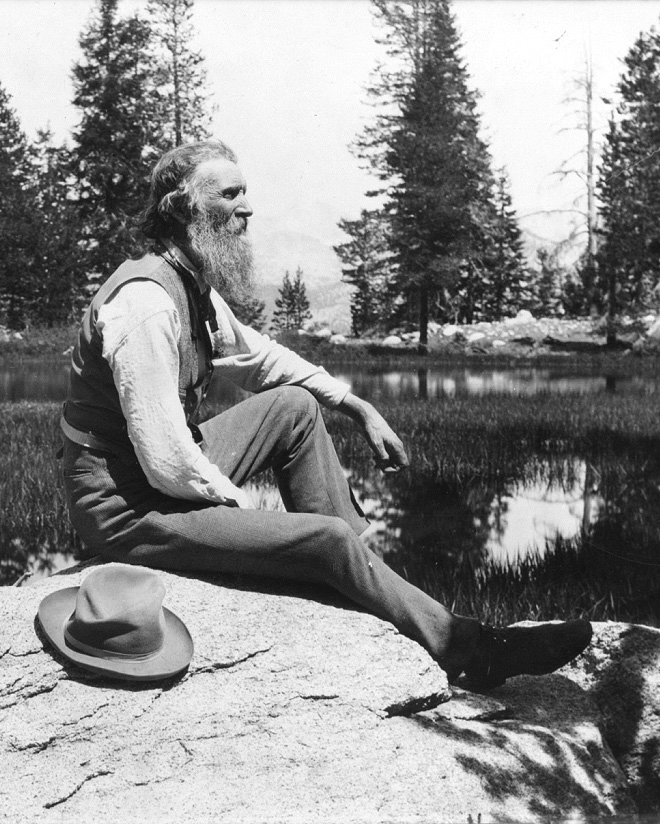

Introduction
In my introduction to philosophy, religion and the environment I indicated that one can make a distinction between instrumentalist and romantic views of nature. The instrumentalist view suggests that humans beings are inherently different from all other beings and that nature is a resource to be used to the benefit of humanity. The romantic view, on the other hand, perceives nature to be a panacea for the alienation created by modernity, urbanisation and industrialisation. The romantic view also tends to perceive humans as part of, rather than separate from, the natural world. In this post, I will look at some of John Muir’s ideas about the wilderness, which in many ways epitomise the romantic view of nature. Raymond Barnett has suggested that Muir can be regarded as a ‘spiritual exemplar for the preservation of Nature’ (Barnett 2012: 266).
John Muir (1838–1914)
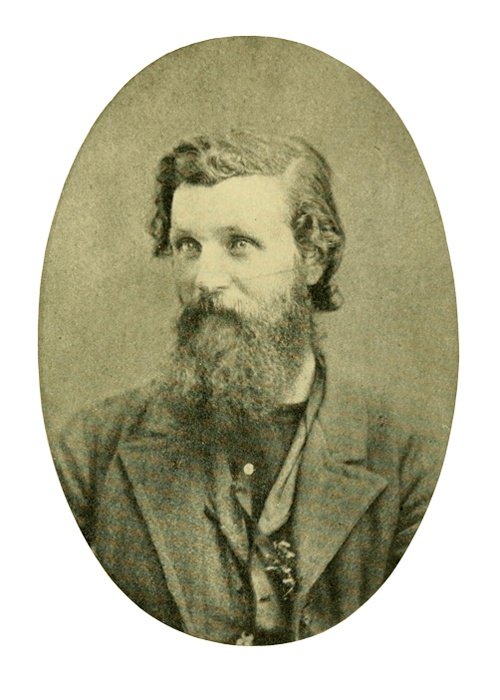
Image from 1,000 Mile Walk
John Muir was born in Scotland but his family moved to America in 1849, where his father started a farm in Wisconsin. His father was a very strict Christian and made his children memorise the Bible. Although Muir’s ideas about nature were influenced by his religious upbringing, he adopted a less orthodox form of religiousness in his adult life. Muir enrolled at the University of Wisconsin, but never completed his degree. He went to work at a wheel making shop, where his inventiveness made considerable improvements to the machines and processes.
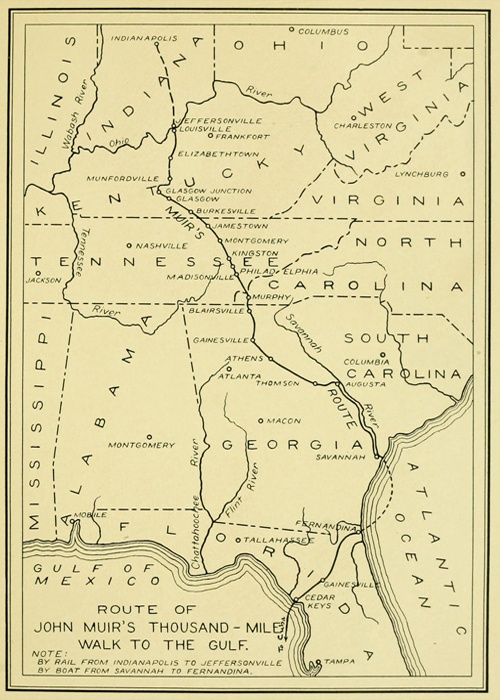
In 1867 Muir quit his work and, inspired by his love of nature, he embarked on a hike to explore the natural world. Muir walked 1,000 miles from Indiana to the Gulf of Mexico. Muir reflected:
I bade adieu to all my mechanical inventions, determined to devote the rest of my life to the study of the inventions of God.
I could have become a millionaire, instead I became a tramp.
Cited in Barnett 2012:268
Muir’s letters, journals and publications are replete with his love of nature. In a letter he wrote on his 1,000 walk Muir observed:
How shall I ever tell of the miles and miles of beauty that have been flowing into me in such measure? These lofty curving ranks of lobing, swelling hills, these concealed valleys of fathomless verdure, and these lordly trees with the nursing sunlight glancing in their leaves upon the outlines of the magnificent masses of shade embosomed among their wide branches
Muir 1916
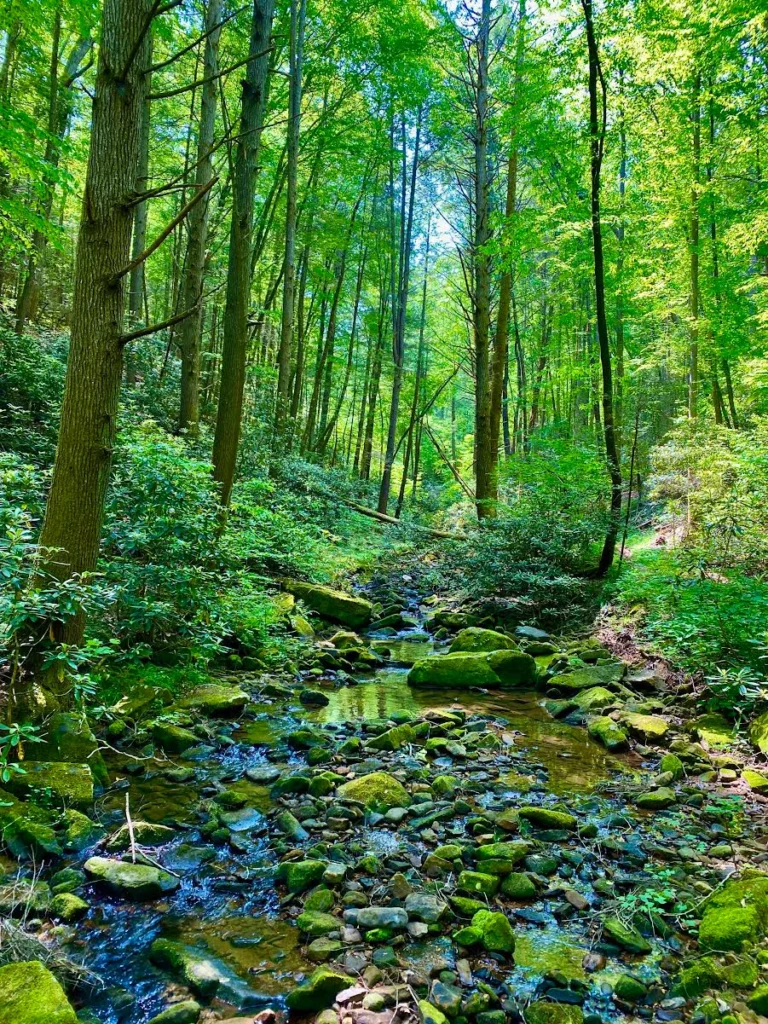
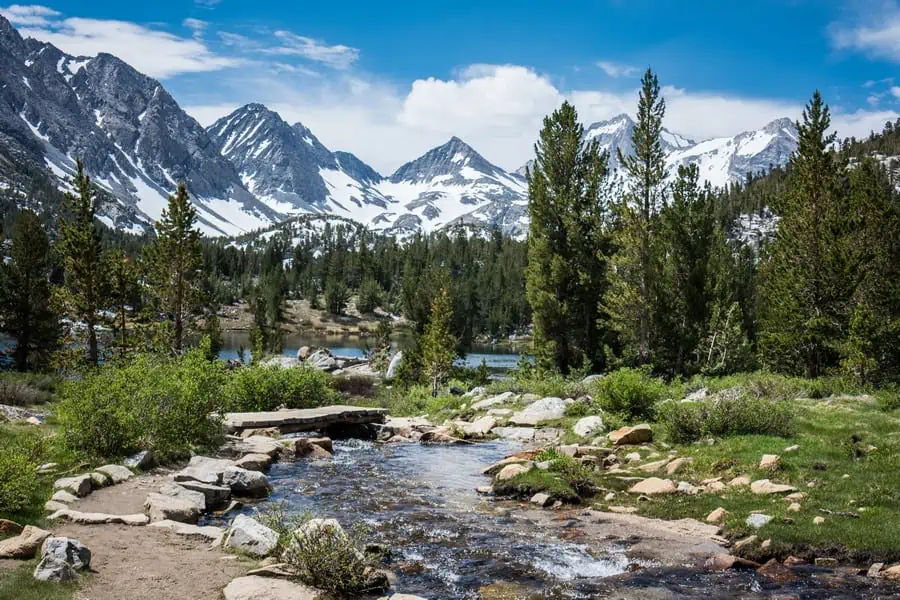
Muir, then went on to explore Sierra Nevada and Alaska, mostly on foot. A group, including Muir, realising the importance of the landscape, flora and fauna of Sierra Nevada formed the Sierra Club in 1892. The stated aim of the Sierra Club was to:
Explore, enjoy and render accessible the mountain regions of the Pacific Coast; to publish authentic information concerning them to enlist the support and cooperation of the people and government in preserving the forests and other natural features of the Sierra Nevada Mountains
Cited in LeConte 1917:1401
The Sierra Club was first organisation that was actively concerned with preserving the wild spaces of the US. It may be considered as the precursor to many organisations of the ‘Age of Ecology’2, such as Friends of the Earth and Greenpeace. Muir was also instrumental in the establishment of the Yosemite National Park, and he is sometimes referred to as ‘the Father of National Parks’. During his own lifetime he earned the reputation as ‘the most magnificent enthusiast about nature in the United States, the most rapt of our prophets of our out-door gospel’ (cited in Nash 2014:122).
American Attitudes On Nature
Attitudes towards nature in the US are diverse and complex. However, we can broadly identify a spectrum of overlapping attitudes: the pioneer, the pastoralist, the conservationist and the preservationist. John Muir clearly falls in the preservationist category.
The Pioneer
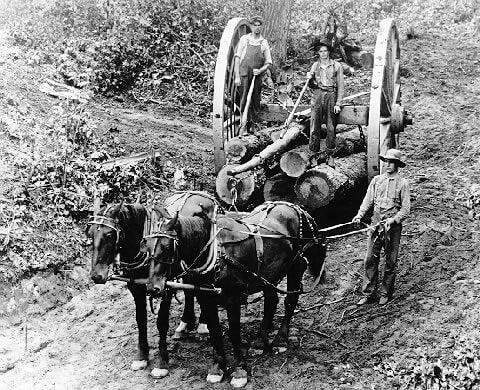
The American pioneer perceives the wilderness as inherently empty and threatening. For example, William Bradford, when he stepped off the Mayflower in 1620 described the landscape of the New World as ‘a hideous and desolate wilderness’ (cited in Nash 2014: 22–23).
The pioneering ethos is linked to the idea of progress. Implicit in the idea of progress is the association of human development with civilisation and the wilderness with barbarity. The representation of wild areas as places of barbarity and danger led to an attitude that nature had to be conquered and controlled. The pioneering attitude is exacerbated by the Judeo-Christian perception of the wilderness as a cursed place of wickedness.
The wilderness is not always represented as an irredeemable place in Judeo-Christian narratives. The wilderness is also represented as a place of sanctuary and a place where God is most accessible. This ambivalence to the wilderness permeates American perceptions of natural landscapes, untouched by human activity.
The Pastoralist
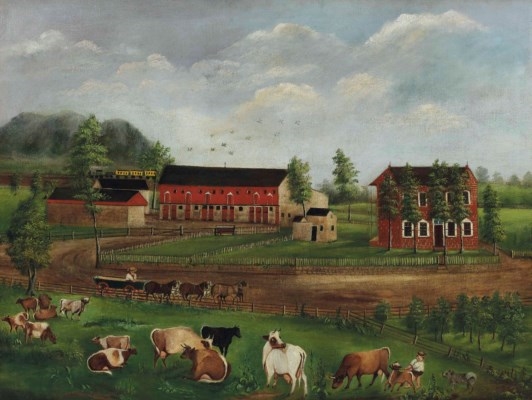
Image from Mutual Art
The pioneering attitude of conquering nature feeds into the idea of the American pastoral, which idealises the cultivated landscape. Thomas Pownall, the Governor of Massachusetts observed on a visit to a settlement in the 1750s:
With what an overflowing of Joy does the Heart melt, while one views the Banks where rising Farms, new Fields or flowering Orchards begin to illuminate this Face of Nature; nothing can be more delightful to the Eye, nothing go with more penetrating Sensation to the Heart (cited in Nash 2014: 32)
The pastoral is linked to two ideas found in Judeo-Christian narratives – the Garden of Eden and the Promised Land. The Garden of Eden is clearly conceived as being cultivated, albeit created by God, and Adam is commanded to tend this paradisiacal and abundant garden. Adam and Eve, according to the Genesis story, after eating the forbidden fruit are expelled from Eden to a land cursed with ‘thorns and thistles’ (Genesis 3:18)
In many ways, the Exodus story can be thought of as a narrative of the Jewish people’s struggle to regain the fecund idyl represented by the Garden of Eden. Hence the allure of the Promised Land, which is described as ‘a land flowing with milk and honey’ (Deuteronomy 11:9). In the Judeo-Christian narrative cultivated landscape is contrasted with the wilderness which is described as ‘a barren and howling waste’ (Deuteronomy 32:10).
Conservation versus Preservation
The conservationist and the preservationist both perceive the value of uncultivated land. However, their approach was quite different. The preservationists perceived the landscape had an inherent value, and should be left untouched, but the conservationist argued that land also had a use value. The conservationist argued that nature was inherently a resource that requires careful management and development. For example, the forester and politician Gifford Pinchot 1865–1946) differentiated between the lumberman and the forester:
While the lumberman was concerned with squeezing the last penny from the woods without consequences, the forester managed them scientifically, so as to obtain a steady and continuing supply of valuable products (cited in Nash 2014: 134).
However, whilst he initially agreed with Pinchot, Muir was convinced that there was an imperative to preserve some forest areas that would be protected from any commercial use – managed or otherwise.

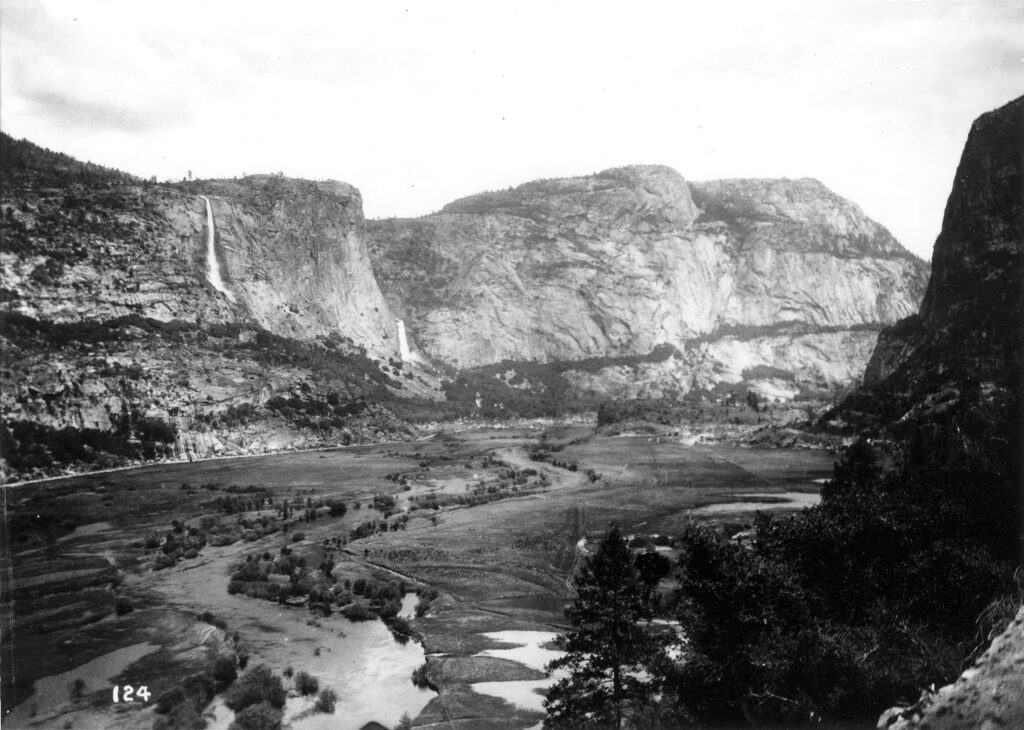
Image from Wikipedia
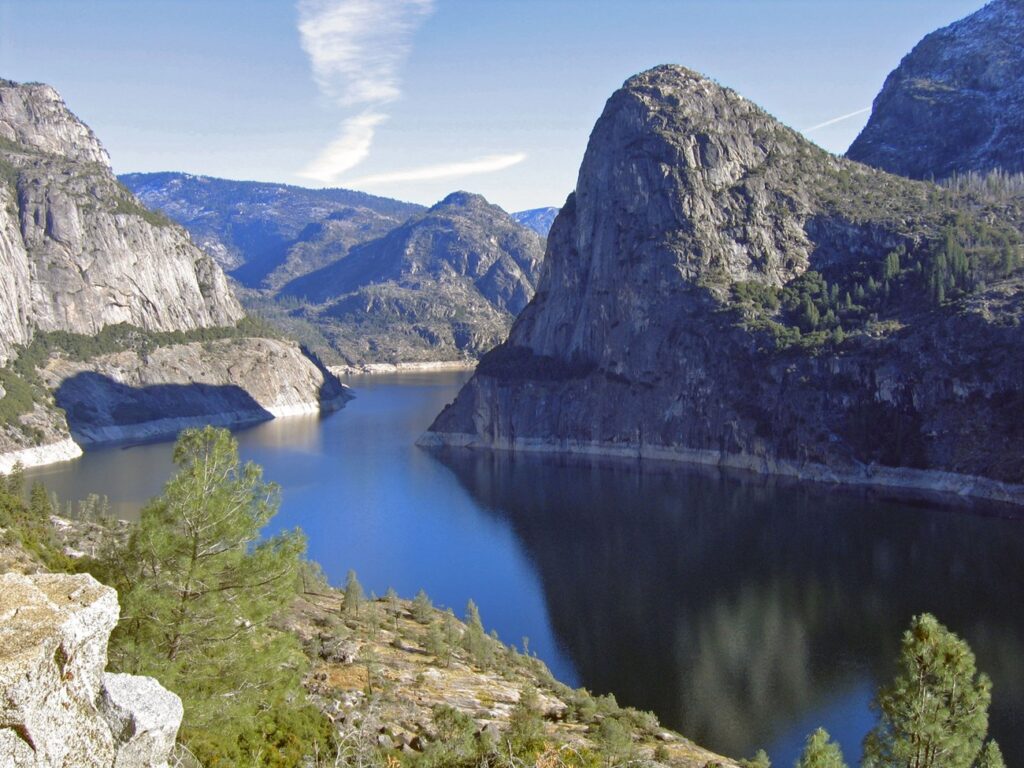
Image from The National Park Services
Pinchot and Muir bitterly fell out with each other over the Hetch Hetchy reservoir. Hetch Hetchy is a stunningly beautiful valley that is located in Yosemite National Park. It is also not far from San Francisco, which was increasingly struggling to find a supply of fresh water. Constructing a dam in the Hetch Hetchy Valley would create a reservoir that would solve San Francisco’s freshwater needs.
For the conservation minded Pinchot, flooding the valley would not detract from its beauty, and the needs of the people of San Francisco had to take precedence over preserving Hetch Hetchy in its pristine state. For Muir, the land was sacred and therefore the flooding of the valley was tantamount to desecration.
These temple destroyers, devotees of ravaging commercialism, seem to have perfect contempt for Nature, and instead of lifting their eyes to the God of the Mountains lift them to the Almighty Dollar. Muir 1912 cited in Nash 2014: 161.
The debate between the conservationists and the preservationists about the Hetch Hetchy valley swept the country and became quite acrimonious. However, in the end the conservationists won the day, and the reservoir at Hetch Hetchy was created.
The Sacralisation of Nature
John Muir was a prolific writer and his writings are replete with religious imagery. He often compared the natural landscape with sacred architecture. For example, he described Cathedral Peak in Yosemite as ‘grandly sculpted, a temple hewn from living rock of noble proportions and profusely spired’ (Muir 2019: 15). In other places in his writing Muir makes a direct comparison with Biblical narratives. Muir described the forest of Kentucky as ‘Eden, the paradise of Oaks’ (Muir 2019: 1785). However, these descriptions are not merely metaphors for Muir the wilderness landscape was inherently sacred.
Muir’s sacralisation of wild places did not emerge in a vacuum. Muir is clearly indebted to the Transcendentalists, particularly Henry David Thoreau and Ralph Waldo Emerson. Thoreau, for example, wrote in his 1862 essay Walking: ‘In wildness is the preservation of the world’. This became the slogan of the Sierra Club.
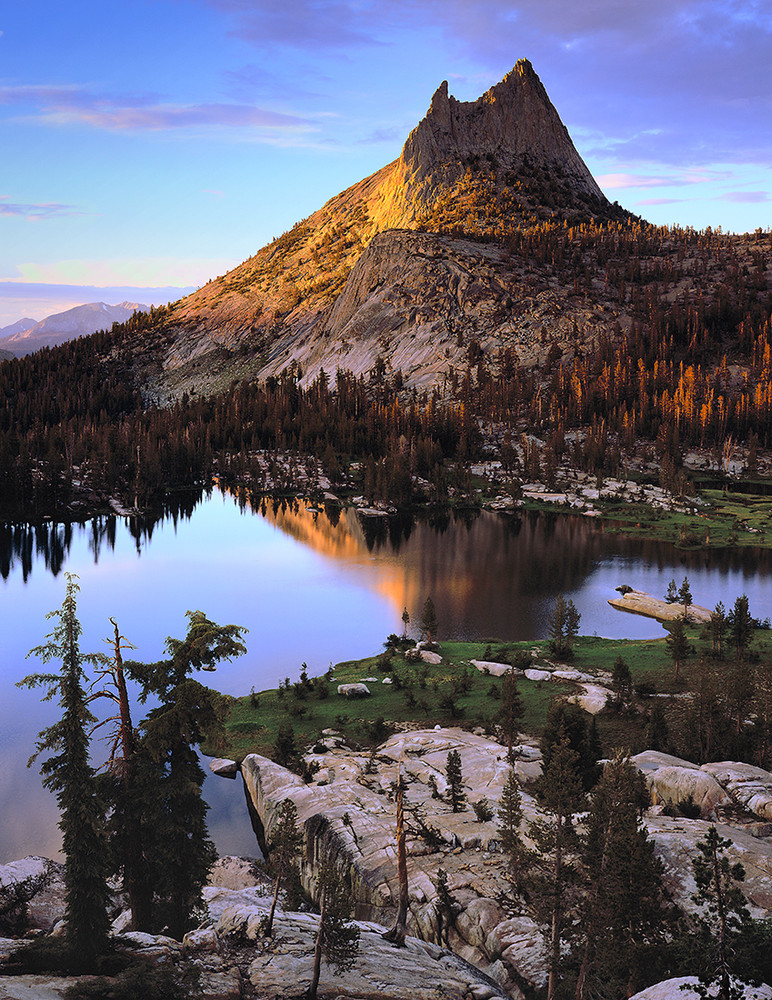
Image from Vern Clevenger
John Pierce (2013) argues many of Muir’s ideas on nature are much more influenced by his Christian ideas than most commentators have acknowledged. Muir’s father was affiliated to a branch of Christianity called the Disciples of Christ (sometimes also referred to as the Restoration Movement) which was co-founded by Alexander Campbell. There were two aspects of Campbell’s theology that influenced Muir: the idea of harmony and the view of nature as revelation. For example, Campbell writes ‘the universe is composed of innumerable systems … in perfect concert’ (cited in Pierce 2013:117). Campbell also, drawing on a well-established Christian idea, asserted that there are two sources of religious authority – the Bible and nature. Both the Bible and nature are believed to reveal religious truths.
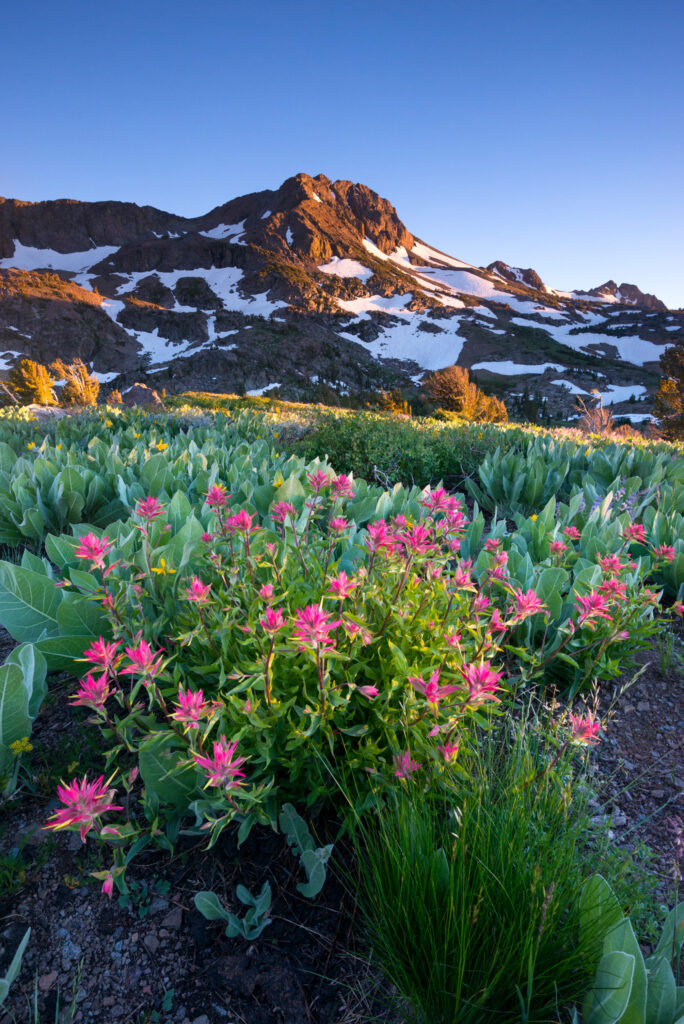
Muir, for example describes the high Sierra as ‘visions of ineffable beauty and harmony’ (Muir 2019: 7) writes:
Like everybody else I was always fond of flowers, attracted by their external beauty and purity. Now my eyes were opened to their inner beauty, all alike revealing glorious traces of the thoughts of God, and leading on and on into the infinite cosmos
cited in Pierce 2013: 128
There are five interconnected aspects to Muir’s view of nature.
- Wild spaces are contrasted with both cultivated places and civilisation.
- There are therapeutic benefits to visiting wild places.
- The sacred is most accessible in wild places
- Not everybody perceives the sacredness of wild places and therefore you must be receptive to the sacred in nature
- wild places have inherent value and therefore must be preserved.
Muir recounts that once when high in Yosemite he had a premonition that his friend Professor Butler was in the valley below. He descends to the valley, where he indeed stumbles across the Professor and General Alvord. They spend the evening together in a hotel. When his friend indicates that they must leave the next day, Muir comments:
I scrambled home through the Indian Cañon gate, rejoicing, pitying the poor Professor and General, bound by clocks, almanacs, orders, duties, etc., and compelled to dwell with lowland care and dust and din, where Nature is covered and her voice smothered, while the poor, insignificant wanderer enjoys the freedom and Glory of God’s wilderness (Muir 2019: 962)
Throughout his writings Muir describes the natural world as ineffable and sublime. He for example suggests that the landscape of the high Sierra ‘shimmers with ineffable loveliness’ (Muir 2019:12). Nonetheless the landscape ‘is savage and bewildering to the lover of the picturesque …. sublime in magnitude’. The sublime can be understood as ‘a sense of power and majesty beyond the reach of understanding’ (Shaw 2017: 3). The sublime grandeur of wild places revealed not only the glory of God but, inspired Muir to refute anthropocentrism and adopt an ecocentric worldview. Muir’s ecocentrism had a religious dimension.
Why should man value himself more than a small part of the one great unit of creation? And what creature of all that the Lord has taken the pains to make is not essential to the completeness of that unit. (Muir 2019: 1858).
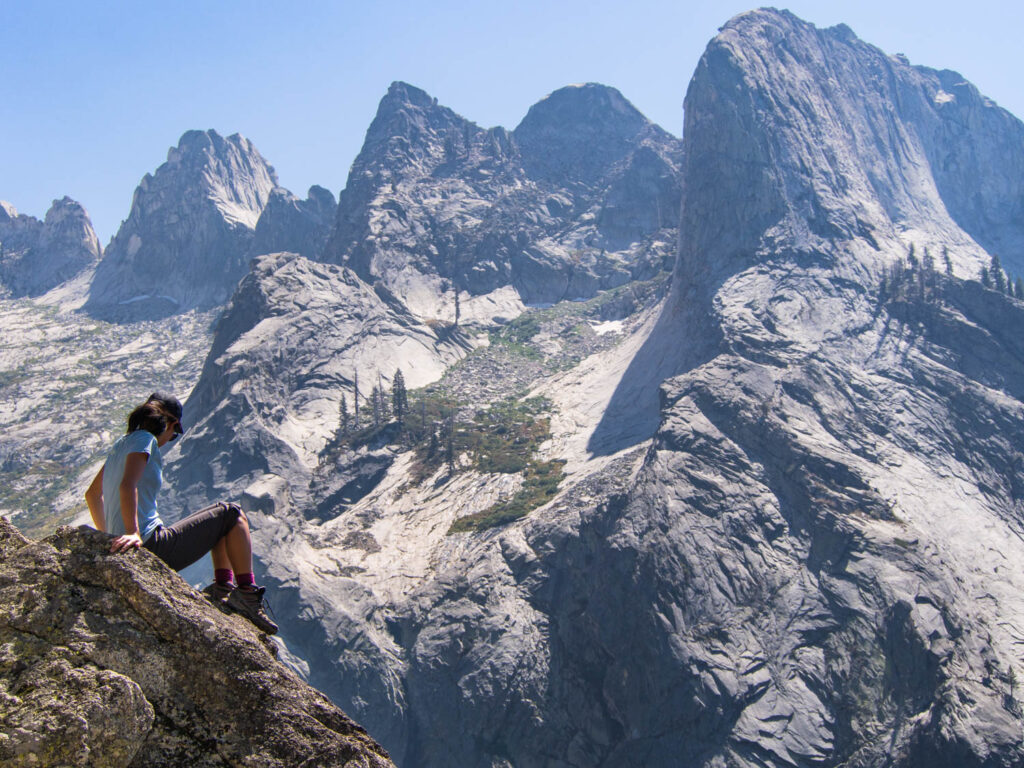
Whilst Muir argued that humans had to live more in harmony with nature, his attitude towards indigenous people was more ambiguous. The idealisation of the pristine wilderness failed to acknowledge that these areas were not uninhabited and untouched by the activity of indigenous peoples.The creation of the National Parks often led to the displacement of many native American tribes. Indeed the concept of the wilderness as representing ‘Nature’ untouched by human hands is a cultural construct, that was integral to competing ideas of the American Dream and Muir was as much responsible for promoting this idea as pioneers and pastoralists. However, Muir was important as he, along with the Transcendentalists, laid the foundations for what Bron Taylor, in his important book, calls dark green religion in which nature is viewed as sacred, having intrinsic value and ‘therefore due reverent care’ (Taylor 2010: 10).
- The Sierra Club is still an important environmental group. However, it has now modified its mission statement:
To explore, enjoy, and protect the wild places of the earth;
To practice and promote the responsible use of the earth’s ecosystems and resources;
To educate and enlist humanity to protect and restore the quality of the natural and human environment; and to use all lawful means to carry out these objectives. ↩︎ - This is a term used by Joachim Radkau in his book to indicate that there was a paradigm shift in the environmental movement in the 1970s. ↩︎
Barnett, R. (2012) John Muir and “Godful” Nature. Religions 3, 266–288
Le Conte, J. (1917) The Sierra Club. The Sierra Club Bulletin 10 (2). Available at
https://archive.org/details/sierraclubb1019161919sier/page/n183/mode/2up?q=Le+conte%27&view=theater
Muir, J. (1916) A Thousand Mile Walk to the Gulf. Boston: Houghton Mifflin. Available at
https://vault.sierraclub.org/john_muir_exhibit/writings/a_thousand_mile_walk_to_the_gulf
Muir, J. (2019) The Wilderness Essays. Madison & Adams Press.
Nash, R.F. (2014) Wilderness and the American Mind. New Haven: Yale University Press.
Pierce, J. (2013) Christianity and Mountainanity: The Restoration Movement’s Influence on John Muir. Religion and the Arts
17, pp. 114–134.
Radkau, J. (2014) The Age of Ecology. Cambridge: Polity.
Shaw, P. (2017) The Sublime: London: Routledge.
Taylor, B. (2010) Dark Green Religion: Nature, Spirituality and the Planetary Future. Berkley: University of California Press.
Thoreau, H.D. (1862) Walking. In Bohannon, R. (ed.) Religion and Environments: A Reader in Religion, Nature and Ecology.
London: Bloomsbury.