Personal Introduction
In my early 20s I became a vegetarian. There were two interconnected reasons for my decision: curiosity and ethical.
Curiosity
In my early 20s I had a friend who was a vegetarian, and I was curious what a diet would be like if you excluded meat. At the time I was at catering college. Once a week at the college we were in the kitchen that prepared food for a restaurant that was open to the public. We had a rota for the different stations, and we all had to take a turn being the head chef. As the head chef we had to plan the menu, order the ingredients and oversee the rest of the class. When it was my turn, I decided that I would offer a vegetarian menu. Choosing not to eat meat was relatively rare, and about the only vegetarian options on menus tended to be an omelette or a cheese salad. My vegetarian menu was met with some resistance by the staff, but I was eventually able to persuade them to accept the idea.

Ethical
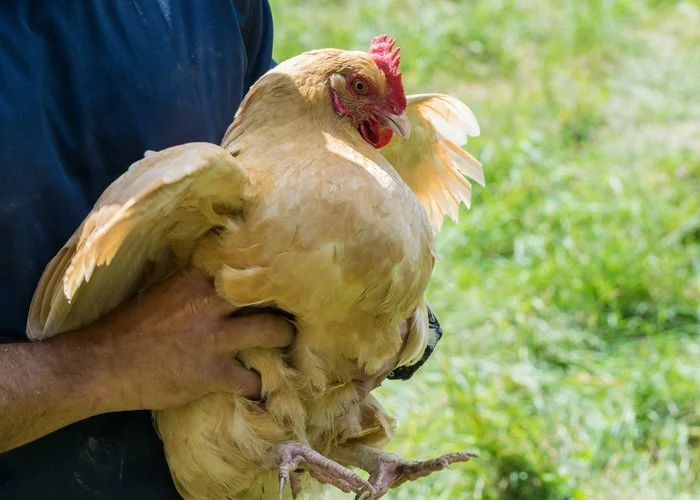
A little later I was living in a squat in a village just outside of Nottingham with some friends. We had all run out of money, and as I recall there was nothing in the pantry other than porridge oats. So, my friend Jack said that he would go and steal a chicken from a nearby farm. Sure enough, Jack goes out and returns a little later with a rather traumatised live chicken. Having been at catering college I had the skills to pluck and gut a chicken. However, I was not prepared to kill it, and neither were any of my friends. Our cat and this poor chicken stared at each other from opposite sides of the kitchen. As no one was prepared to kill it, Jack decided to return it to the farm. I wondered that if you are not prepared to kill an animal, should you eat it. It seemed to me that there is a disconnect between the meat that is nicely packaged in the supermarket and live farm animals.
In this post, I primarily use the term vegetarian, by this I include both lacto-vegetarianism, a diet which includes eggs and dairy, and veganism, a diet that is entirely plant based. I am aware that some of the arguments that apply to not eating meat also apply to dairy and eggs, and there is some inconsistency with a lacto-vegetarian diet. Although I was vegan for a number of years, I now do include dairy and eggs in my diet, although I do try and predominantly only prepare plant based dishes at home.
Reasons for being a vegetarian
There are many reasons for adopting a vegetarian or vegan diet many of which overlap.
Environmental Reasons: There are three main environmental arguments for avoiding eating meat.
- The demand for meat leads to the destruction of natural habitats for grazing land and therefore threatens biodiversity.
- Intensive rearing of animals for food is polluting and contributes to the climate crisis.
- Intensive livestock farming uses considerable resources, particularly water.
Ethical Reasons: There are two main ethical arguments for adopting a vegetarian diet.
- The belief that not only humans but non-human animals have moral rights. Although my reaction to not killing the chicken was emotive, it was also inherently an ethical decision.
- Meat is a very inefficient way of feeding humanity, and if grains consumed by livestock were directly used to feed humans this could mitigate world hunger and starvation.
Religious Reasons: Whilst many Christians might be vegetarian or vegan, forgoing meat is not intrinsic to the religion, except perhaps abstaining during Lent or on a Friday. However, it is often thought that being vegetarian is an integral component of the Indian religions (Hinduism, Buddhism and Jainism). I will discuss this in a future post.
Personal Health. Whilst it is perfectly possible to be a vegetarian and have a unhealthy diet, not eating meat does tend to be a healthier diet.
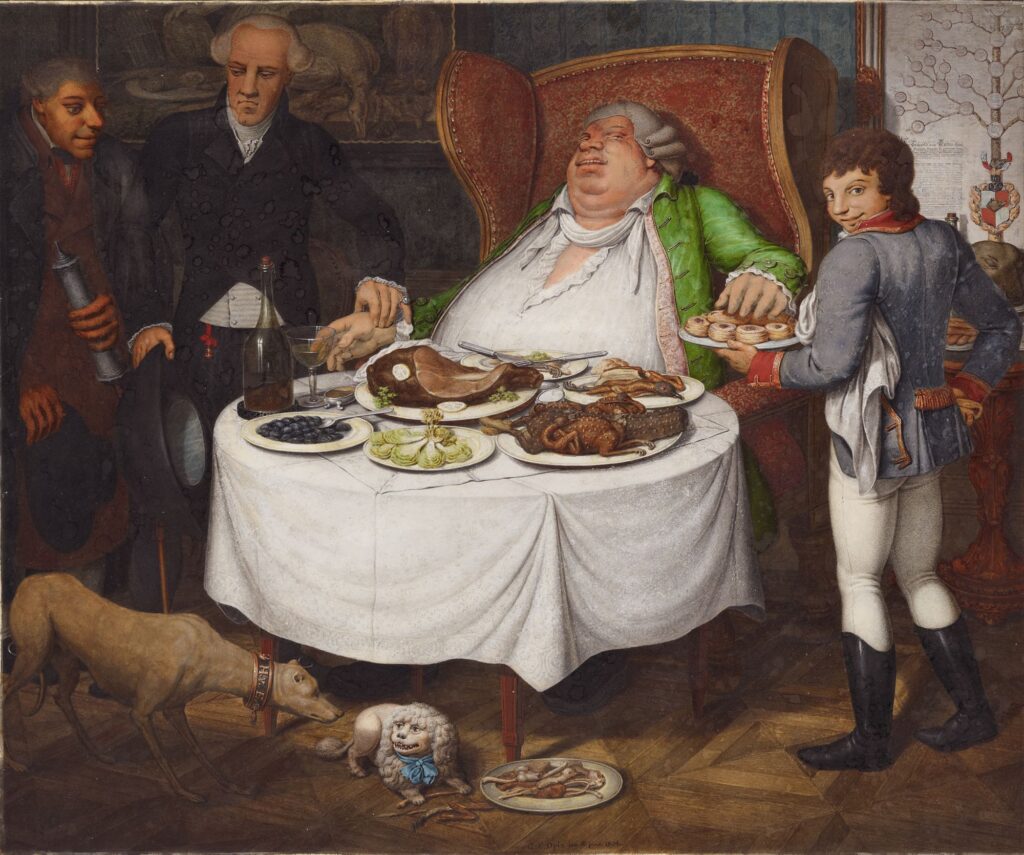
Aesthetic reasons. The Roman writer Plutarch (c 56–120 CE) argued that slaughtering and butchering animals is vile, and one must disguise the taste of meat by ‘altering it by fire and drugs, recasting and diverting and smothering with countless condiments the taste of gore’ (Plutarch cited in Walters and Portmess 1999: 29).1

Image from Wikipedia

In this post I will briefly discuss some of the environmental arguments for vegetarianism, before looking at some of the ethical arguments, particularly focusing on the ideas of the moral philosopher Peter Singer.
Environmental Arguments for Vegetarianism
There are numerous environmental issues related to our diet, ranging from land use to packaging. Not all of these issues are necessarily related to meat and dairy production. For example, being a vegetarian but consuming ultra processed plant-based foods and eating imported fruit and vegetables is also detrimental to the environment in many ways. Nonetheless, the demand for a diet high in meat is environmentally catastrophic. In the preface to the UN Report Livestock’s Long Shadow the authors write there is:
A very substantial contribution of animal agriculture to climate change and air pollution, to land, soil and water degradation and to the reduction of biodiversity (LEAD 2006: iii)
Land Use and Loss of Biodiversity
The livestock sector is by far the largest anthropogenic user of land. The total area occupied by grazing is equivalent to 26 percent of the ice-free terrestrial surface of the planet. (LEAD 2006: xxi)
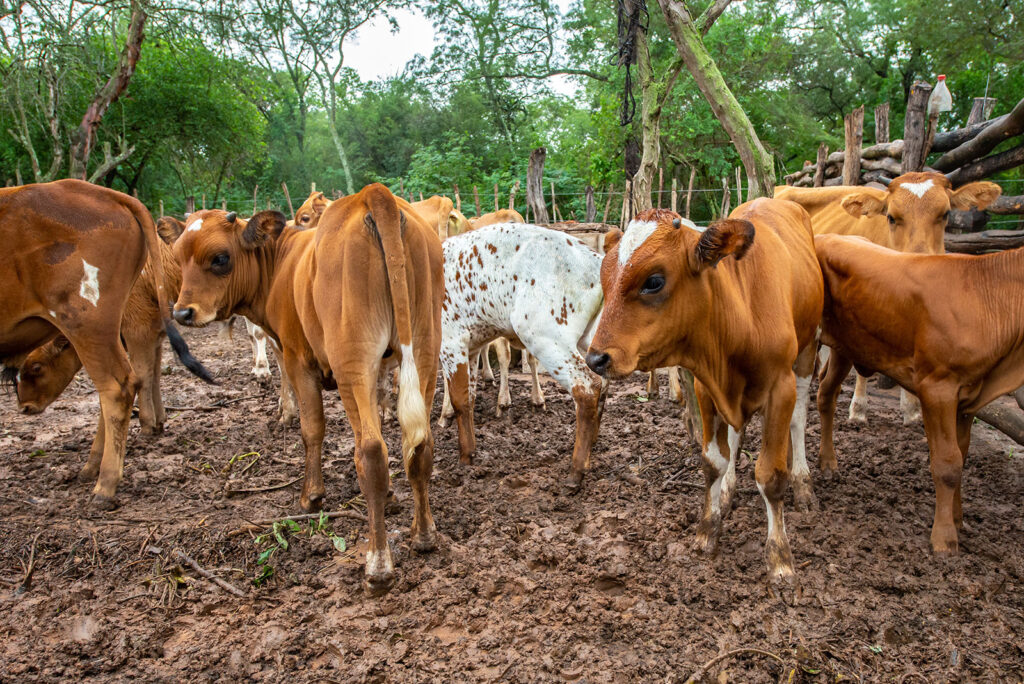
The increasing demand for meat around the world and the concomitant need for more grazing land has been a major cause of deforestation, particularly in South America. This deforestation is a major contributor to the unprecedented loss of biodiversity.
Pollution and Climate Change
There is a great deal of controversy about how much livestock contributes to climate change. The UN report conservatively suggests that livestock account for 18 percent of the greenhouse gases that cause climate change. Consequently reducing our meat consumption can make a substantial reduction in our carbon footprint.
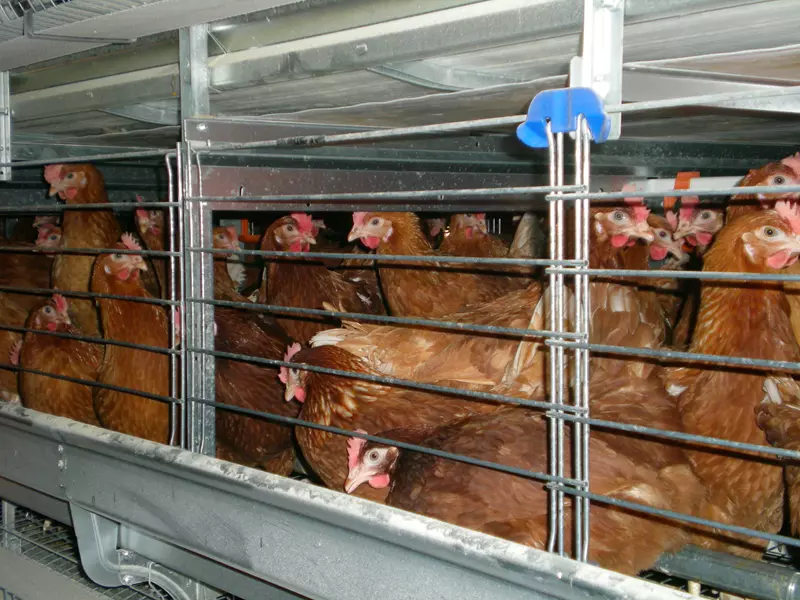
The high demand for meat can also be polluting in other ways. For example, high intensity poultry farming not only contributes to greenhouse gas emissions, but also to acidification, eutrophication2 and ozone depletion – all major environmental issues.
Resource Depletion
Water shortage is an increasing concern across the world. Agriculture accounts for about 70 percent of freshwater use and is can deplete the water table. Much of this agricultural use of water is due to intensive cattle, pig and chicken breeding. Lappé suggests that ‘producing a pound of beef takes 1,800 gallons of water – nearly 50 times more than for a pound of veggies and about 9 times more than for grain’ (Lappé, 2021: xxvi)
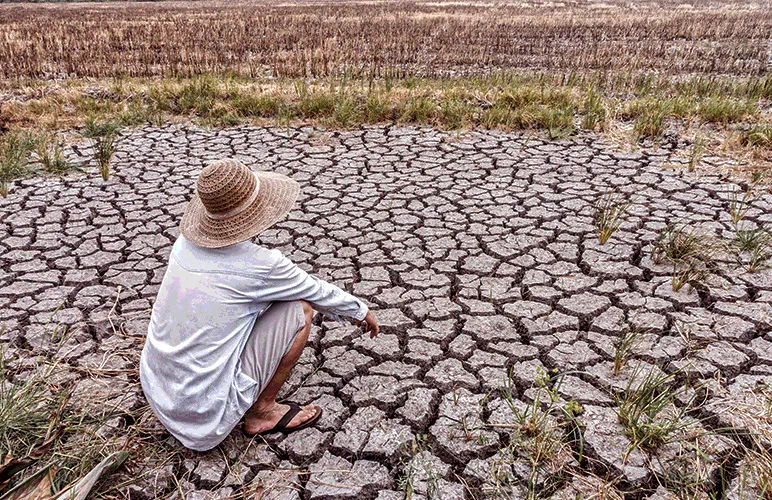
Whilst the environmental arguments make a strong case for reducing meat consumption they cannot be extended to advocate an exclusively vegetarian diet. However, ethical reasons are more persuasive in the argument for vegetarianism.
The Ethics of Vegetarianism:

Image from Wikipedia
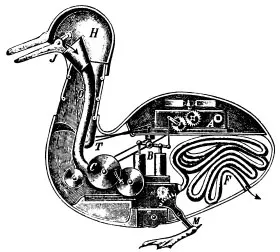
One of the most influential European thinkers was the Enlightenment philosopher René Descartes His dualistic view that there is an intrinsic difference between the material world and the incorporeal mind has dominated European attitudes towards non-human beings. Descartes argued that whilst humans have both material embodiment and intangible mind, non-human animals are purely material beings that act on instinct alone. Animals, in Descartes view, are essentially automata. Animals ‘act by instinct only and not by thought’ (Descartes cited in Walters and Portmess 1999).
Descartes suggested that non-human animals do not have souls. Therefore, it really does not matter how we treat animals. Descartes argues that whilst ‘animals move as if they feel pain but that the feeling of pain depends on the soul’ (Descartes cited in Thomas 2020). Animals might appear to feel pain, but this is an instinctive reflex and not a feeling of actual pain. This Cartesian view is anthropocentric and confines ethical obligations to human beings.
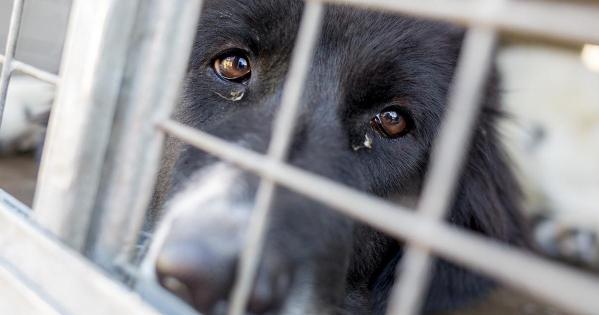
It is now generally accepted that animals can suffer and feel pain. For example, the charity the Royal Society for the Prevention of Cruelty to Animals (RSPCA) was founded in 1824 to promote the welfare of animals. Its website states:
Animal suffering doesn’t stop and neither do we. Together, we can bring hope to thousands of desperate animals suffering from cruelty and neglect. (RSPCA 2025)
This extends the moral sphere to non-human beings. We cannot absolutely refute Descartes assertion that non-human beings response to pain is reflexive, rather than felt. We know that other humans experience pain because they will not only wince and cry out when they accidentally hit themselves with a hammer, but they will be able to clearly state how much they have hurt themselves. By analogy, when we see the responses of animals such as dogs, cats and horses to being physically harmed in some way, we naturally assume that they actually feel pain. This ability to feel is confirmed by our knowledge of nervous systems of animals. But this becomes more equivocal with fish, spiders and amoebas, whose nervous systems are different and responses to injury are not analogous to human responses. Intuitively the more biologically distant a species is the less we tend to feel that they are included in our ethical sphere
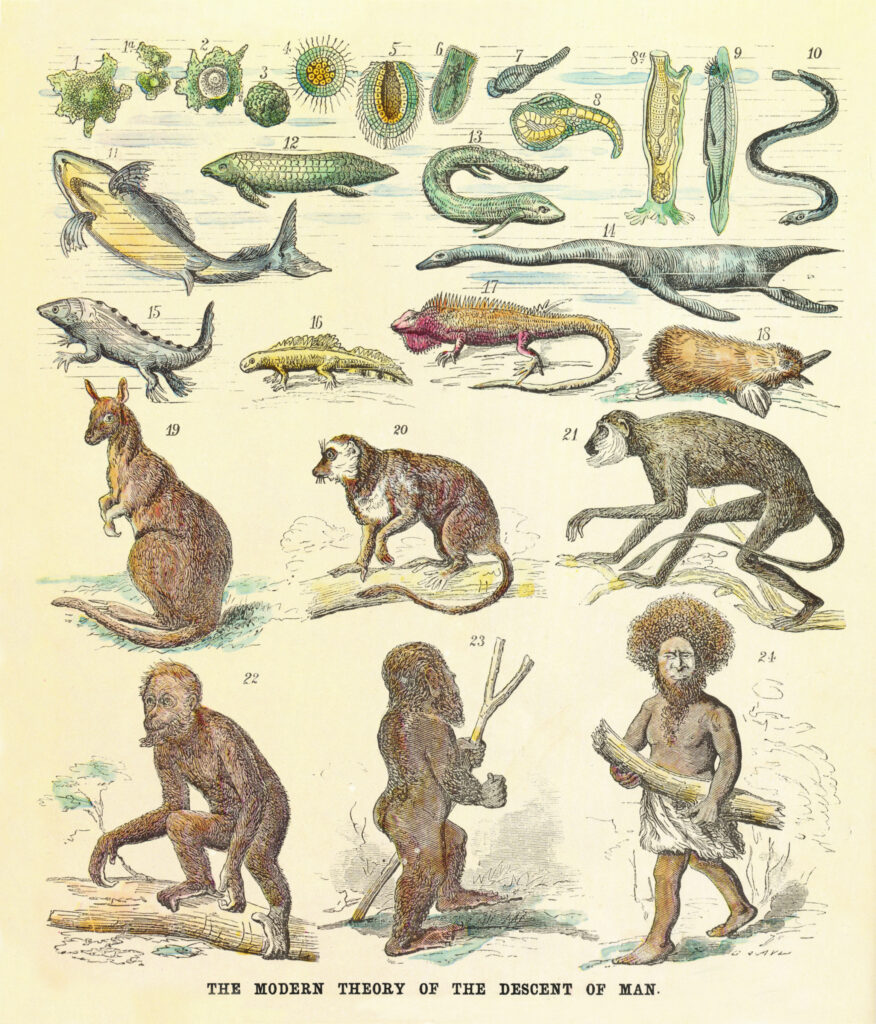
There are three main approaches to ethics in Western thought:
- Consequentialism suggests that the right or wrong of any action is determined by the consequences of that action.
- Deontology suggests that some actions are inherently unethical
- Virtue ethics suggests that character determines the right or wrong of any action.
All three ethical approaches can be used to make an argument for vegetarianism. I will primarily focus on Peter Singer’s consequentialist approach to vegetarianism.
Duties
Deontology derives from the Greek term deont, meaning ‘being necessary’. Although he did not use the term deontology, this ethical approach is often associated with the philosopher Immanuel Kant (1724–1804). Kant suggests that there are certain moral absolutes which he calls categorical imperatives. For example one of Kant’s categorical imperative asserts:
Act in such a way that you treat humanity, whether in your own person or in the person of any other, never merely as a means to an end, but always at the same time as an end. (Immanuel Kant, Groundwork of the Metaphysics of Morals).
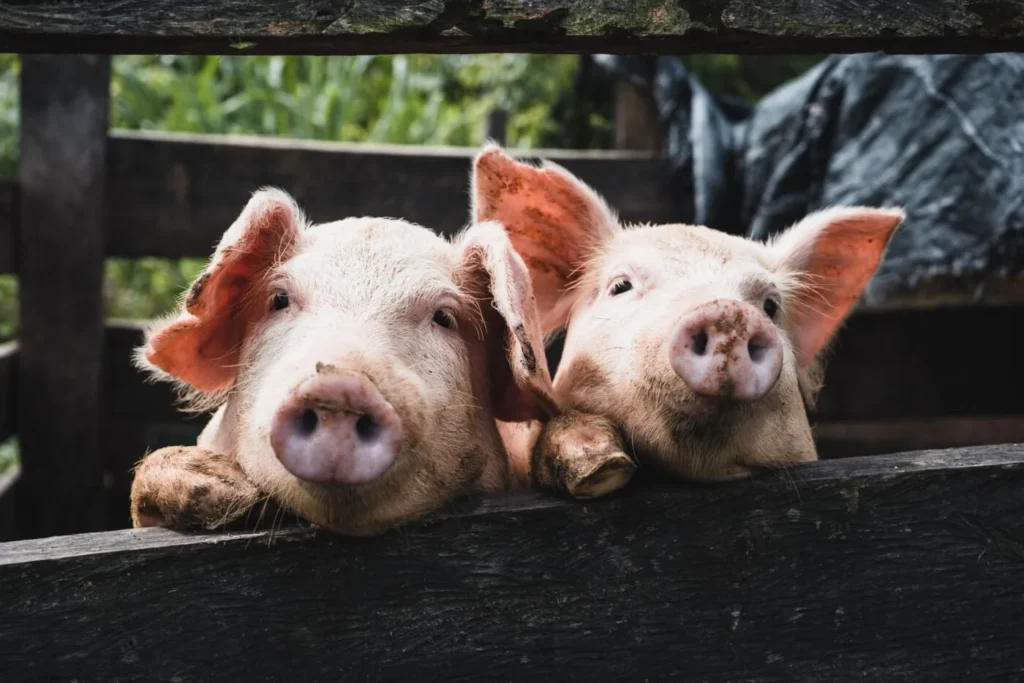
Whilst Peter Singer, who I discuss below, primarily uses a consequentialist ethical approach in his advocacy for vegetarianism, in the preface of the 1975 edition of his influential book Animal Liberation, he extends this categorical imperative to include non-human animals. He argues that animals must be ‘treated as the independent sentient beings that they are, and not as as a means to human ends’ (Singer 2015: xvi). Eating the flesh of animals is therefore regarded as inherently unethical.
Virtues
Virtue ethics is associated with the Greek philosopher Aristotle, and suggests that ethics is primarily associated with character, rather than moral absolutes. The ethical individual should develop virtuous characteristics. These are not necessarily specifically identifiable virtues, but ‘the capacity to recognise, in any particular situation, those features of it that are morally salient’ (Hursthouse and Pettigrove). A virtue ethics approach to vegetarianism is inherently biocentric and recognises that we live in what Daniel Mishori (2017: 275) calls a ‘mixed community’ which includes both human and non-human animals.
The novelist Leo Tolstoy utilises a virtue ethics approach when he suggests that the most significant aspect of meat eating is:
Not the suffering and death of the animals, but that man suppresses in himself, unnecessarily, the highest spiritual capacity – that of sympathy and pity towards living creatures like himself – and by violating his own feelings becomes cruel. (cited in Walters and Portmess 1999: 99).
Underlying a virtue ethical approach is the premise that eating meat is unnecessary for humans and is driven by greed and desire. Therefore becoming a vegetarian will not only develop virtues such as compassion, but will also foster the virtues of ‘self-control and restraint’ (Tolstoy cited in Walters and Portmess 1999: 104).
Peter Singer– Animal Liberation
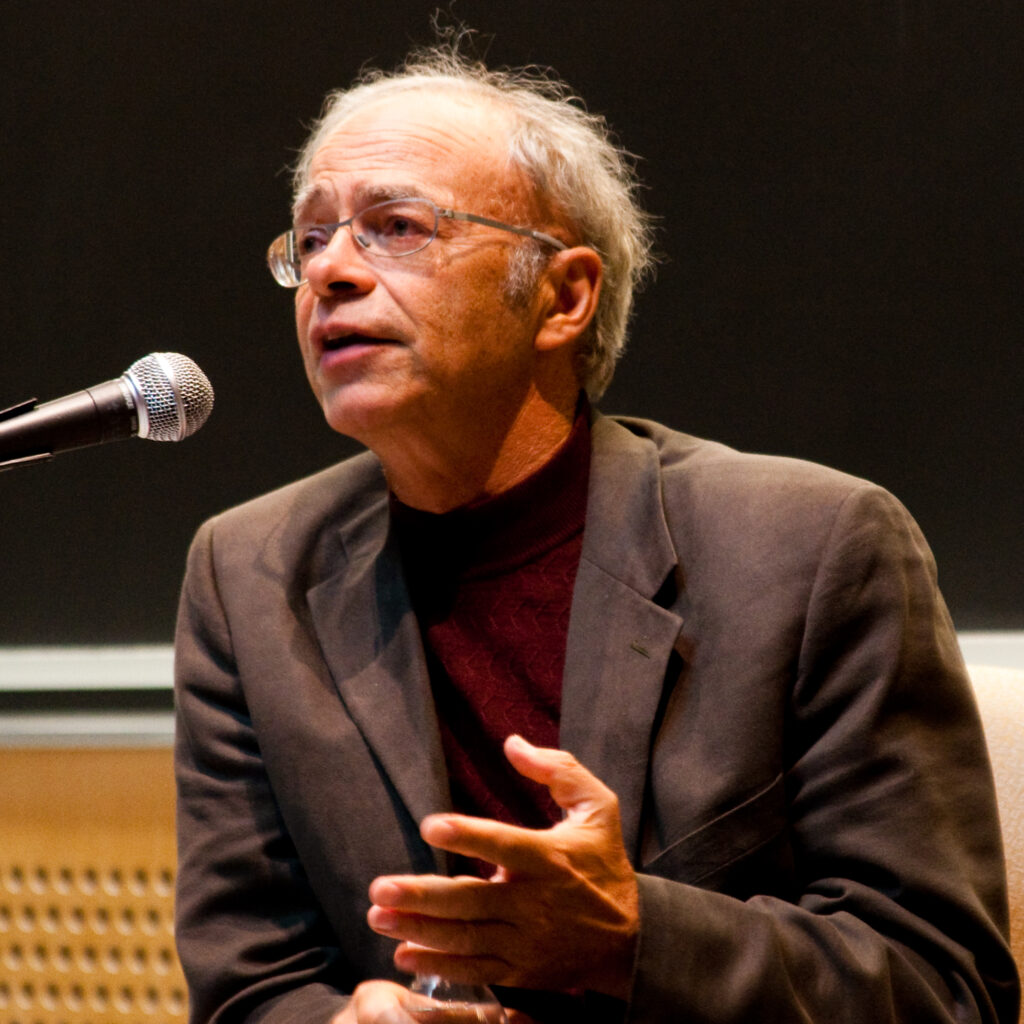
Image from Wikipedia
One of the most important thinkers on animal rights is the Australian philosopher Peter Singer (b 1946). His seminal book Animal Liberation, which was first published in 1975, has been a major influence on the animal rights movement. Singer very deliberately uses the term ‘liberation’ to draw parallels with the liberation movements focused on gender and race. He suggests in the Preface of the 1975 edition that ‘a liberation movement is a demand for an end to prejudice’ (Singer 2015: xviii). Singer argues that our treatment of non-human beings is analogous to racism and can be considered as ‘speciesism’ which he defines as ‘a prejudice or attitude of bias in favour of the interests of one’s own species’ (Singer 2015:6).
There are three interconnected core aspects to Singer’s argument:
- Biocentrism
- Sentience
- Utilitarianism
Biocentrism
Biocentrism suggests that humans are just one species amongst the many that share this planet, and non-human beings have intrinsic value. This is in direct contrast to the idea of human exceptionalism of the Cartesian worldview. Paul W. Taylor declares that:
Humans are thought of as members of the Earth’s community of life, holding that membership on the same terms as apply to all the nonhuman members (Taylor cited in Attfield 1987: 47)
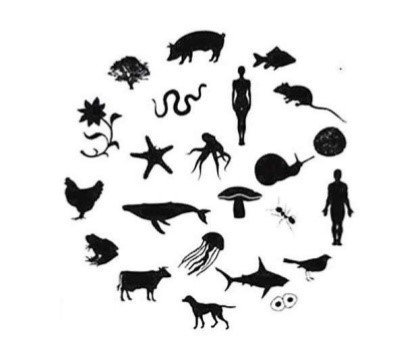
Consequently, Singer argues that we must extend our moral horizons beyond human beings. This raises the question of whether non-human beings should be treated the same as humans. Robin Attfield suggests that all living creatures have moral standing. However, different creatures have ‘the capacity to lead the form of life proper to their own kind’ (Attfield 1987: 50). Therefore, any action that constrains or curtails the life that is pertinent to that being is unethical. Singer argues:
The basic principle of equality does not require equal or identical treatment; it requires equal consideration. Equal consideration for different beings may lead to different treatment and different rights. (Singer 2015:2)
Sentience
It is not at all clear how far the moral sphere should be extended. Should our ethical responsibilities extend to molluscs, trees and rocks? Singer argues that a being must be included in our ethical sphere if it is sentient. Sentience is defined by whether a being can experience suffering and experience enjoyment.
The capacity for suffering and enjoyment is, however, not only necessary, but sufficient for us to say that a being has interests – at an absolute minimum, an interest in not suffering.
If a being suffers, there can be no moral justification for refusing to take that suffering into consideration.
Singer 2015: 8
Most of us would agree that the higher vertebrates can suffer as their responses to being hurt or mistreated are analogous to human beings. But just because an oyster has a very different physiology, and we cannot detect any response to it being shucked of its shell does not unequivocally mean that it does not suffer.
Utilitarianism
Singer’s ethical stance is based on utilitarianism, which is a form of consequentialist ethics. In other words, ethics is based on the consequences of one’s actions. Utilitarianism considers whether actions cause pain or pleasure. Jeremy Bentham (1748–1832) the founder of the utilitarianism succinctly suggests that this ethical principle is encapsulated in the phrase ‘the greatest happiness of the greatest number’. John Stuart Mill drawing on Bentham’s ideas observes:
Utility, or the Greatest Happiness Principle, holds that actions are right in proportion as they tend to promote happiness, wrong as they tend to produce the reverse of happiness.
In other words, to be ethical my actions must cause minimum suffering and maximum pleasure to the greatest number. In this ethical calculus of pain and pleasure ‘everyone counts as one, and nobody more than one’. Whilst Bentham and Mill solely focus on humans, Singer extends this ethical calculus to non-human beings

Suffering and Killing
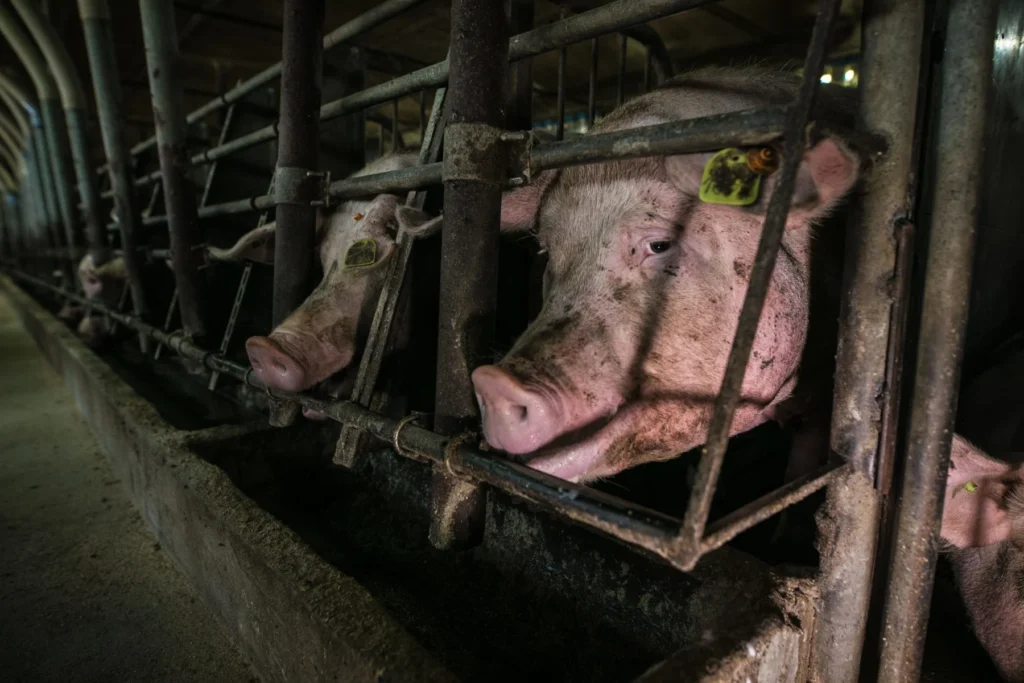
Singer points out that there is a difference between suffering and killing. It is well established that the conditions of intensive rearing of livestock and battery chickens are appalling. There is now a significant disconnect between the nicely wrapped piece of meat bought from the supermarket and the atrocious conditions that most animals raised for human consumption are kept. In the US, the intensive and industrialised nature of rearing cattle is so different to our conceptualisation of idyllic pastures, it is now referred to as Concentrated Animal Feeding Operations (CAFO) (see Pollan 2011, pp 65-84). If humans had to live in the hideous conditions of CAFOs, we would not hesitate to call it torture. Consequently, if we extend our ethical sphere to include non-human animals, we must consider how we raise animals for human consumption, to minimise suffering and maximise pleasure
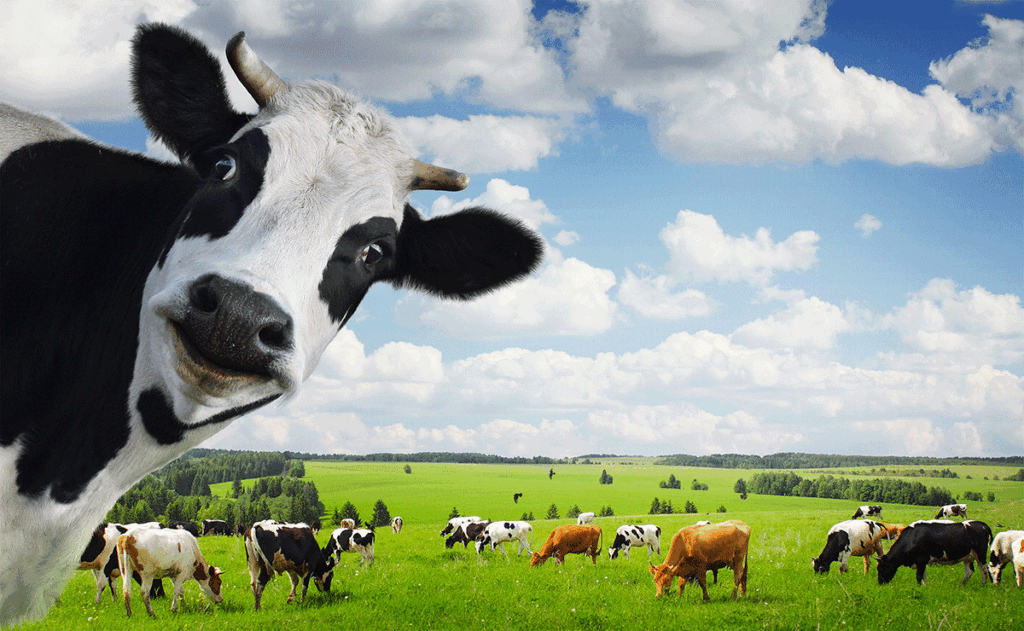
The carnivore, who is concerned about animal welfare, might accept the necessity of eating less meat but ensuring that livestock is reared in a more humane way. Free range livestock and chickens can have a comfortable life on the farm. The argument suggests that we can have ‘cruelty free meat’. However, the 18th century essayist Oliver Goldsmith suggests that a carnivore’s concern for animal welfare is a hypocritical position:
They pity, and they eat the objects of their compassion. (Goldsmith cited in Walters and Portness 1999: 62)
Singer argues that it is:
Practically and psychologically impossible to be consistent in one’s concern for nonhuman animals while continuing to dine on them (Singer 2015:159).
World Hunger
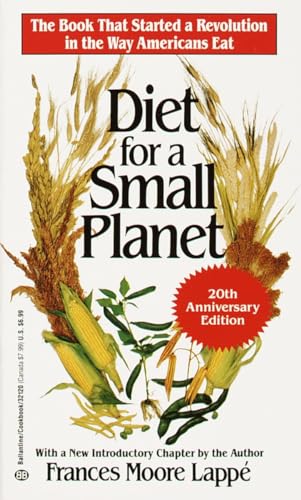
Another ethical argument for excluding meat from one’s diet suggests that adopting a vegetarian diet will contribute to alleviating world hunger. When I went to work for the Centre for Alternative Technology to run their vegetarian kitchen, I began to think about the politics, philosophy and environmental implications of what we eat. One of the most influential books that I came across in this period was Frances Moore Lappé’s important book Diet for a Small Planet, first published in 1971.
Lappé’s starting point is that the meat-centred diet of most Americans was incredibly wasteful, and that if we did not feed animals grains but used these grains as a direct food source for human consumption, we could address world hunger and starvation. She suggests that perhaps a better title for her book might be Diet for an Abundant Planet (Lappé 2021: 11). The implication being that the planet is more than capable of feeding all humanity if we change our diets.
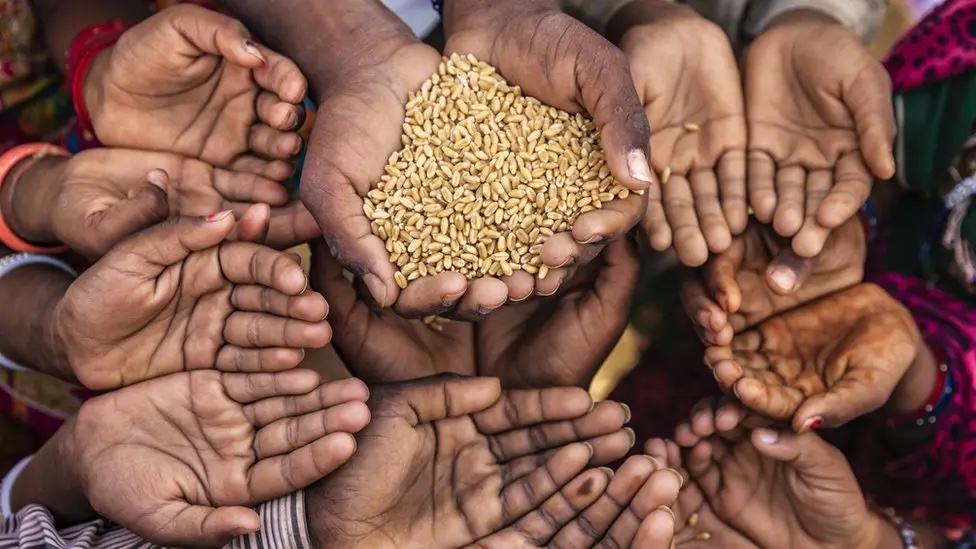
Lappé observes:
In 1969 I discovered that half our harvest acreage went to feed livestock. At the same time I learned that for every 7 pounds of grain and soybeans fed to livestock we get on average only 1 pound back in meat on our plates
(Lappé 2021: 8).
If we consider hunger and starvation as an ethical, as well as a nutritional and economic issue, then we have a moral obligation to act. We know about world hunger, and we have the capacity to act through the choices of what we eat. The World Economic Foundation identifies that ‘One-third of global grain production – enough to feed 4 billion people – is fed to livestock’ (WEF 2018)
Conclusion
Whilst, our individual decision to exclude meat from our diet is not going to end world hunger or animal suffering in CAFOs. Singer argues that vegetarianism is ‘a form of boycott’ (Singer 2015: 162), that makes a powerful ethical statement that will ultimately have a cumulative impact on the continuation of factory farming. Whilst this might seem like wishful thinking, I believe that there has been a sea change in attitudes towards vegetarianism and plant-based diets. When I became a vegetarian in my early 20s, vegetarianism and veganism were regarded as freaks, but now there are at least three plant-based restaurants in Shrewsbury, where I live, and almost all restaurants now offer at least one vegetarian and/or vegan choice.
- An interesting BBC article reports on some research that suggests that people who are normally meat eaters but abstain from animal products during Veganuary can develop a disgust towards meat. ↩︎
- The process by which water becomes enriched with too many nutrients causing excessive growth of algae and consequently causing a decline in oxygen levels, which adversely effects fish and other aquatic flora and fauna. ↩︎
Sources
- Attfield, R (1987) Biocentrism, Moral Standing and Moral Significance. Philosophica 39(1) pp. 47–58.
- Hursthouse, R and Pettigrove, G (2023) Virtue Ethics in The Stanford Encyclopedia of Philosophy. Available at https://plato.stanford.edu/cgi-bin/encyclopedia/archinfo.cgi?entry=ethics-virtue.
- Lappé, F.M. (2021) Diet for a Small Planet. New York: Ballantine Books (50th Anniversary Edition)
- Livestock, Environment and Development (LEAD) (2006) Livestock’s Long Shadow: Environmental Issues and Options. Available at: https://openknowledge.fao.org/server/api/core/bitstreams/36ade937-4641-46ed-aac4-6162717d8a7f/content
- Mishori, D. (2017) Environmental Vegetarianism: Conflicting Principles, Constructive Virtues. Law, Ethics and Human Rights. 11(2): pp.253–284.
- Pollan, M. (2011) The Omnivore’s Dilemma. London: Bloomsbury.
- RSPCA (2025) Join the Winter Rescue. Available at : https://www.rspca.org.uk
- Singer, P. (2015) Animal Liberation. London: Bodley Head. (first published 1975)
- Thomas, E. (2020) Descartes on the Animal Within, and Animals Without. Canadian Journal of Philosophy 50(8), 99–1014
- Walters, K.S. & Portmess, L. (Eds.) (1999) Ethical Vegetarianism: From Pythagoras to Peter Singer. New York: State University of New York Press.
- World Economic Foundation (2018) How a New Approach to Meat Can End World Hunger. Available at: https://www.weforum.org/stories/2018/11/how-a-new-approach-to-meat-can-help-end-hunger/